
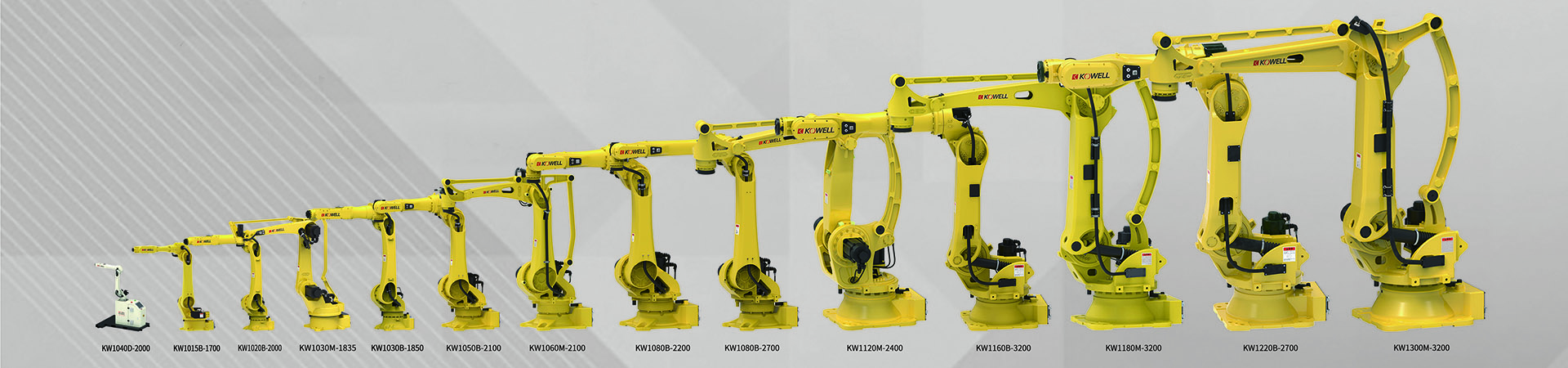
Spray painting, a seemingly simple "coloring" process, is actually the invisible guardian of modern industry. It not only gives products an aesthetically pleasing appearance but also provides comprehensive protection, including corrosion resistance, wear resistance, heat insulation, and electrical insulation. Today, spray painting technology has evolved from traditional manual spray guns to precise glazing by six-axis robots. This technological revolution is reshaping the face of modern manufacturing. This article will take you deep into the world of spray painting technology, from its basic principles to robotic spray painting, providing a multi-faceted interpretation of this industrial art that organically blends aesthetics and function.
I. What is Spray Painting? More Than Just "Coloring": The Industrial Foundation
Spray painting is a core process in manufacturing that combines functionality and artistry. Through specific techniques, paint is evenly adhered to the surface of a workpiece, forming a dense and stable coating. It not only builds a "protective barrier" for products, resisting external erosion such as corrosion, wear, and temperature and humidity changes, extending their service life, but also, through the optimization of color and gloss, gives products visual texture and enhances their market competitiveness.
From car bodies to home appliance casings, from construction machinery to 3C products, spraying technology has permeated multiple fields of light and heavy industries, becoming a key factor in determining product quality.
II. Spraying Methodologies: The Iterative Path of Traditional and Modern Processes
The evolution of spraying methods has always revolved around three core requirements: uniformity, high efficiency, and low loss.
Air Spraying: Flexible and Delicate "Atomization Art"
◈Core Principle: Utilizing compressed air to create a high-speed airflow at the spray gun nozzle, generating negative pressure to draw paint from the cup, simultaneously breaking it down into fine droplets, which are then sprayed onto the workpiece surface.
◈Technical Characteristics: Excellent atomization effect, resulting in a delicate and smooth coating, suitable for workpieces with high appearance requirements (such as automotive exteriors and appliance panels); however, paint utilization is low, essentially "sacrificing cost for aesthetics."
High-Pressure Airless Spraying: Highly Efficient and Uniform "Pressure Master"
▣Core Principle: Instead of relying on compressed air, a high-pressure pump pressurizes the paint, forcing it to pass through the tiny nozzles of the spray gun at extremely high speed. The paint "self-atomizes" due to the sudden pressure drop upon leaving the nozzle, forming uniform droplets.
▣Technical Features: High paint utilization rate, no airflow diffusion issues; suitable for spraying high-viscosity paints (such as anti-corrosion paints and thick-film coatings), achieving thick film thickness in a single coat with outstanding efficiency.
Electrostatic Spraying Method: The "Magnetic Adsorption Master" for Material Saving and Adhesion
◎Core Principle: A high-voltage electrostatic field is established between the spray gun and the workpiece. After atomization, the paint becomes negatively (or positively) charged, while the grounded workpiece carries the opposite charge. Through "electrostatic attraction," the paint droplets are directionally adsorbed onto the workpiece surface, achieving "encircling" spraying (especially suitable for complex curved surfaces).
◎Classification: Based on the atomization method, it can be divided into "electrostatic air spraying" and "electrostatic airless spraying." The former prioritizes a fine atomization, while the latter prioritizes compatibility with high-viscosity paints.
◎Technical Features: Extremely high paint utilization rate, strong adhesion, and can cover complex areas such as grooves and corners of workpieces.
Rotary Cup Spraying Method: The "Mirror Craftsman" of Ultra-Fine Atomization
❐Core Principle: The core component is a "high-speed rotating metal cup." Paint is injected from the center of the cup and, under centrifugal force, diffuses along the cup wall into an extremely thin "paint film." This film is then further atomized into ultra-fine droplets by compressed air (or an electrostatic field) and sprayed onto the workpiece.
❐Technical Features: Extremely fine atomized particles (significantly smoother coating than other methods), suitable for high-end exterior parts (such as car bodies and luxury item casings); high paint utilization rate and fast spraying efficiency.
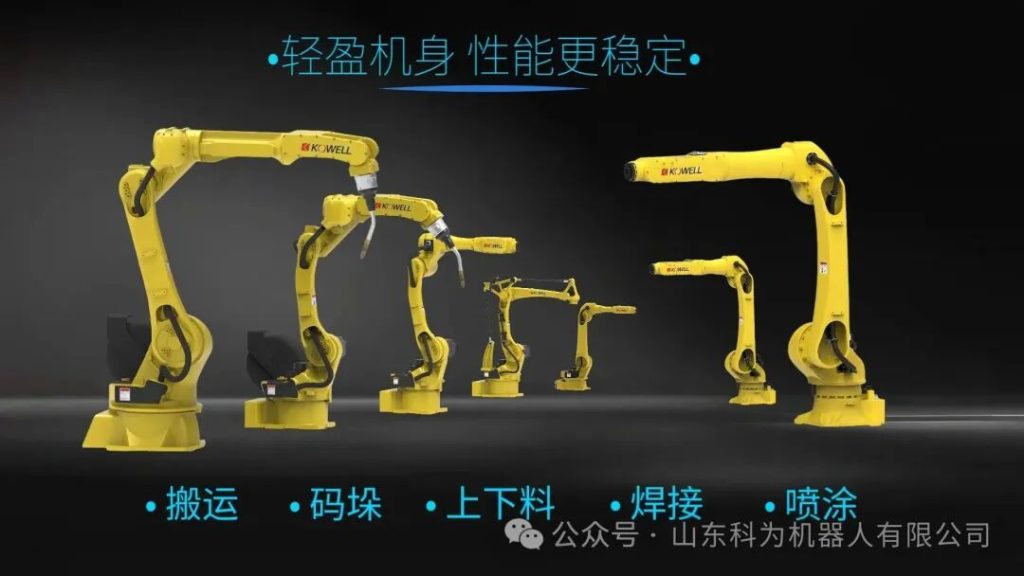
III. Decoding Core Technologies: Precise Control and the Key to Details
Mastering the methods is only the first step. Achieving "even, strong, and beautiful coating" relies even more on the relentless pursuit of core techniques and process details.
Operational Essentials: Millimeter-Level "Precise Control"
◗Atomization Control: Adjust atomization pressure and flow rate according to the coating characteristics and workpiece requirements to ensure uniform particle size and avoid defects such as runs and pinholes.
◗Spraying Distance and Angle: Maintain the optimal distance and perpendicular angle between the spray gun and the workpiece to ensure uniform coating coverage without missed or overlapping sprays.
◗Gun Speed: Move the spray gun at a constant speed to avoid excessively fast speeds resulting in a thin coating or excessively slow speeds causing coating buildup.
Process Key: Building the Foundation for Coating Texture
►Surface Pretreatment: Oil, rust, dust, and other impurities on the workpiece surface can affect coating adhesion. Thorough cleaning through processes such as grinding, degreasing, and phosphating is necessary.
►Coating Mixing: Adjust the viscosity and solids content of the coating according to the ambient temperature, humidity, and workpiece requirements to ensure smooth spraying and coating performance.
►Drying and Curing: Control the drying temperature, time, and ambient humidity to avoid problems such as bubbles and cracking in the coating, ensuring the coating's hardness and durability.
IV. Intelligent Leap Forward: How Robots Reshape the Underlying Logic of Spray Painting
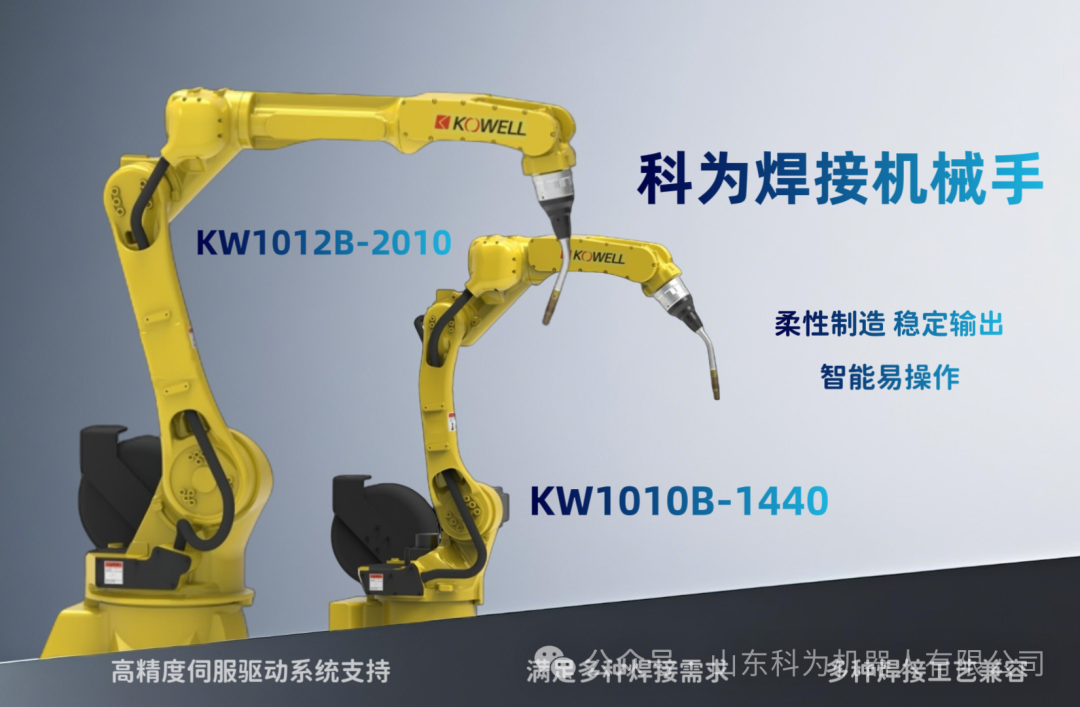
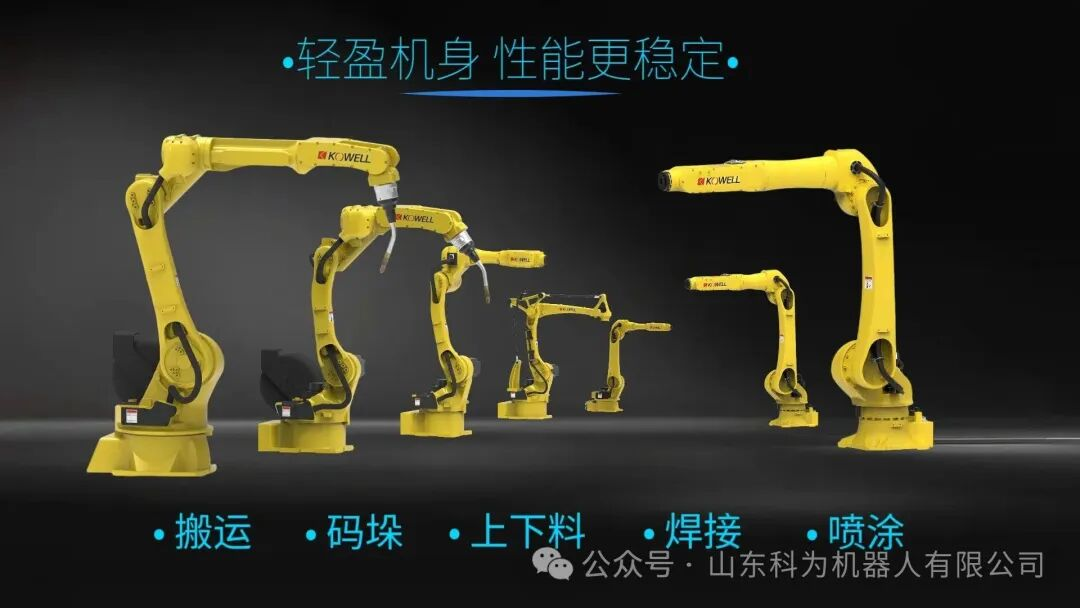
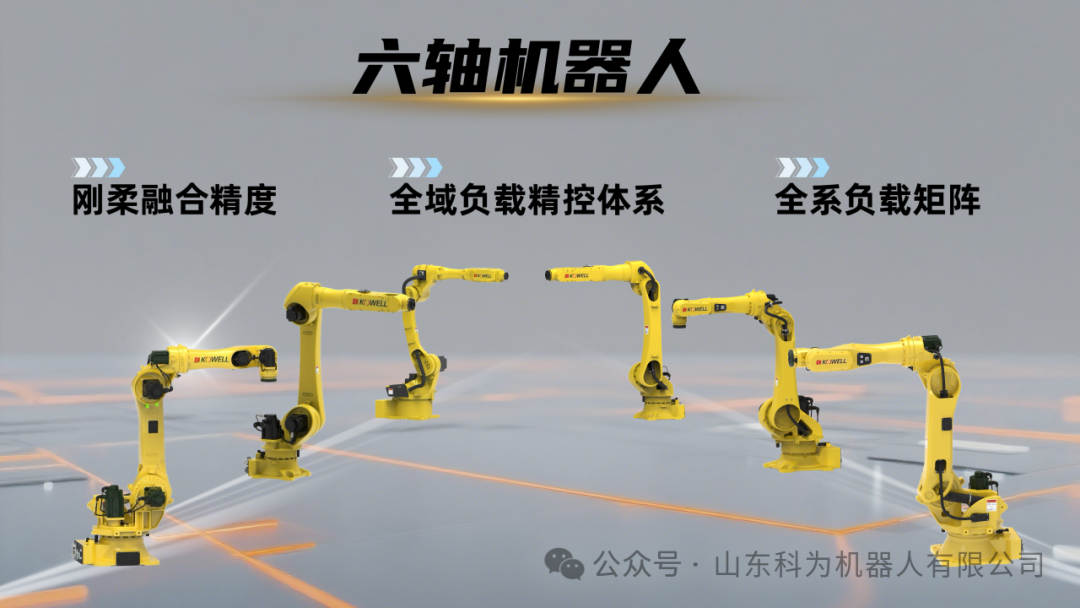
Spray painting robots have long since transcended the simple superposition of "robotic arm + spray gun," reshaping the underlying operational logic of industrial spray painting with a systematic intelligent solution integrating visual perception and digital control.
Precision Empowerment: Maximum Consistency
Equipped with a high-precision servo system and visual positioning technology, the robot's six-axis joints allow for flexible rotation, can preset complex spraying paths, and boasts high repeatability. For small-load workpieces weighing 30-50kg, it achieves lightweight and precise control.
Green Upgrade: Emission Reduction and Consumption Reduction
Spray painting robots significantly improve paint utilization through a closed-loop paint delivery system and electrostatic atomization technology. Simultaneously, with a sealed spray booth and VOCs recovery device, paint mist does not diffuse, significantly reducing harmful substance emissions, complying with environmental policies and reducing material and environmental costs for enterprises.
Flexible Adaptability: One-Click Switching
It can quickly adapt to different workpiece types, sizes, and spraying process requirements. From fine coating of 3C products to thick-film protection of engineering machinery, simply adjusting program parameters allows for "one machine, multiple uses," meeting the diverse, small-batch production needs of modern manufacturing.
From manual brushing to intelligent robotic spraying, from single-layer protection to nano-functional coatings, spraying technology is reshaping industrial aesthetics with its intelligent, flexible, and environmentally friendly development. In this transformation, spraying robots are not only a symbol of efficiency and precision but also a core engine driving the manufacturing industry towards "green, intelligent, and customized" transformation.
Online Consultation
Hello, the current customer service is offline. You can leave your contact information and the staff will respond to you as soon as possible!