
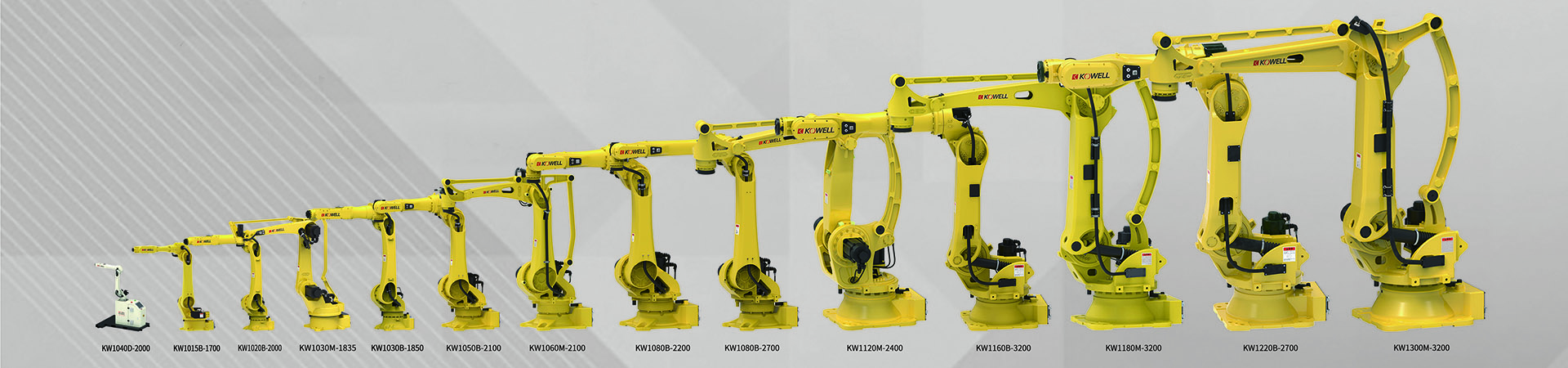
As the food industry continues to evolve, manufacturers are facing increasing demand for multiple product varieties and smaller production batches. Frequent product changeovers and flexible production requirements have become the norm. Traditional manual palletizing often struggles with inconsistent efficiency and hygiene management challenges, while conventional automation equipment typically requires complex programming and lengthy changeover procedures.
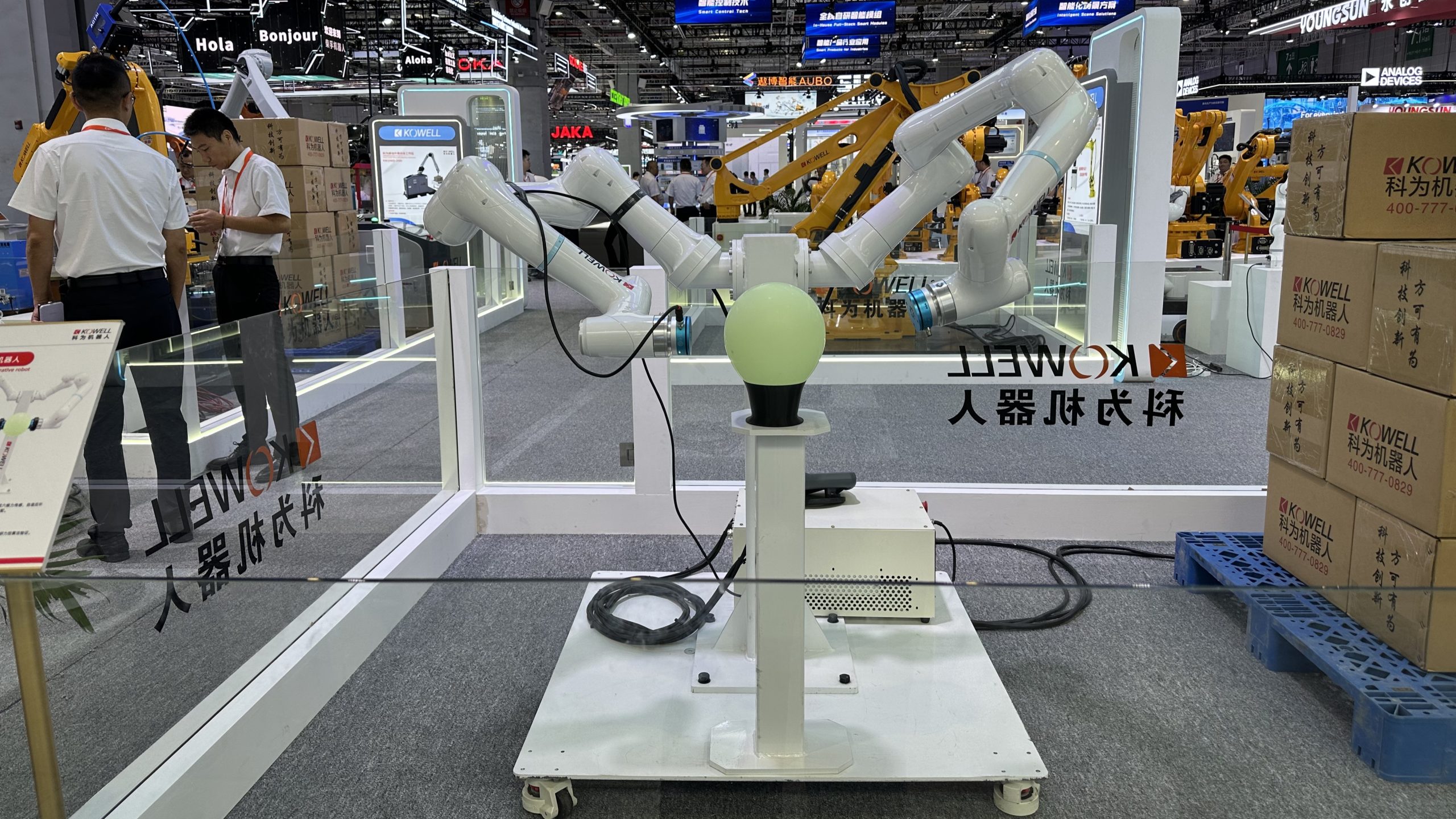
To address the unique needs of food manufacturers, Kewei has developed a zero-programming collaborative palletizing workstation. As a food palletizing robot solution designed specifically for the food industry, it combines visual operation, food-grade protection, flexible deployment, and collaborative safety features to help food companies improve productivity and accelerate automation upgrades.
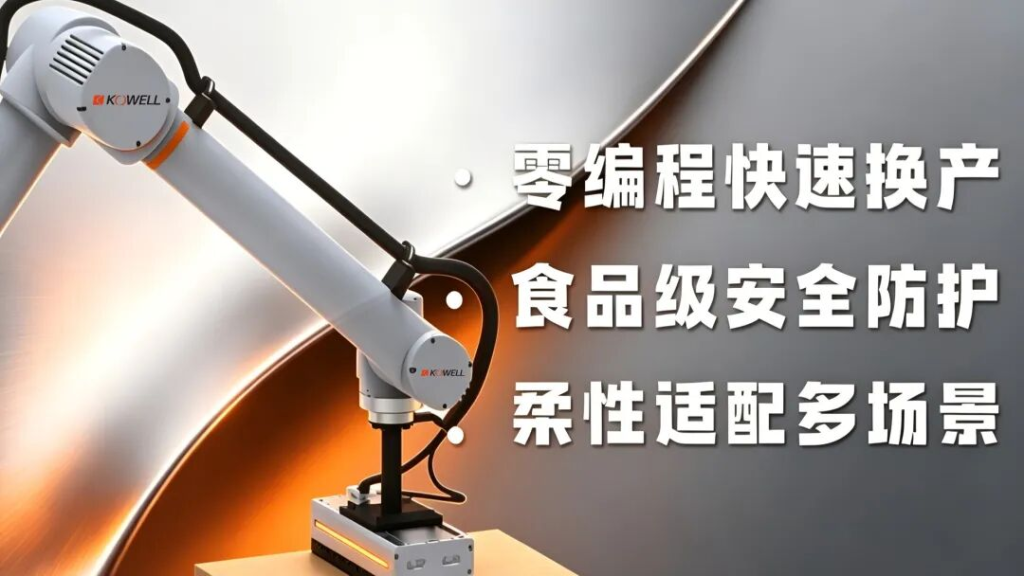
Zero-Programming Operation Enables Fast Product Changeovers
In today's food manufacturing environment, efficient product changeovers directly impact production capacity and order fulfillment.
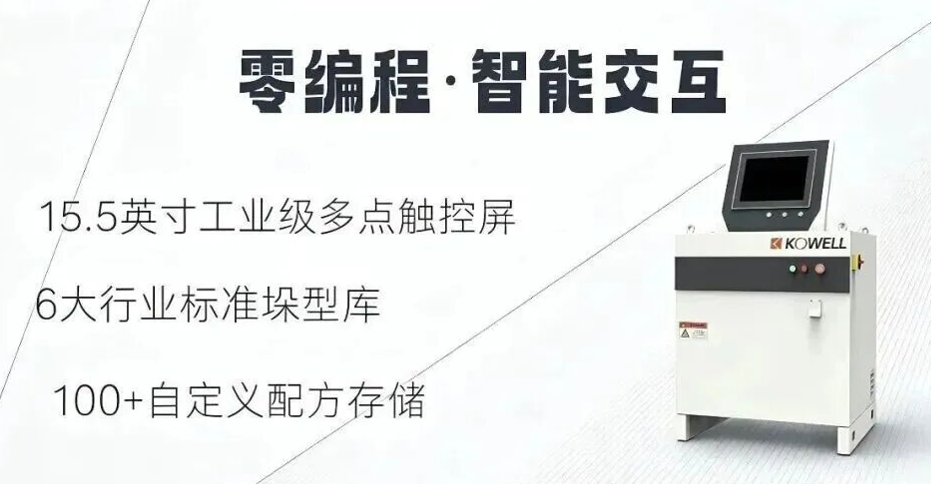
Kewei's collaborative palletizing workstation features a self-developed graphical intelligent operating system, a 15.5-inch industrial touchscreen, and dedicated palletizing process packages. Operators can configure tasks and adjust parameters through an intuitive visual interface without requiring complex programming knowledge.
With drag-and-drop operation and preset process templates, the system allows rapid switching between different products, helping food manufacturers reduce downtime, improve production line utilization, and better support flexible manufacturing.
Food-Grade Protection Enhances Production Safety
Food production environments require high standards of hygiene and equipment reliability.
Designed for challenging conditions such as moisture and dust commonly found in food processing facilities, the food palletizing robot features a high-rigidity structure and enhanced protection design. The system is equipped with a 10-level collision detection function and a 16-channel safety I/O redundancy architecture, enabling rapid response in the event of unexpected contact while helping protect both operators and products.
Its robust construction also supports long-term stable operation, reducing downtime and supporting continuous production.
Food Palletizing Robot Adapts to Various Packaging Applications
Different food manufacturers work with a wide range of packaging formats, making flexibility a critical requirement.
Compatible with Multiple Food Packaging Types
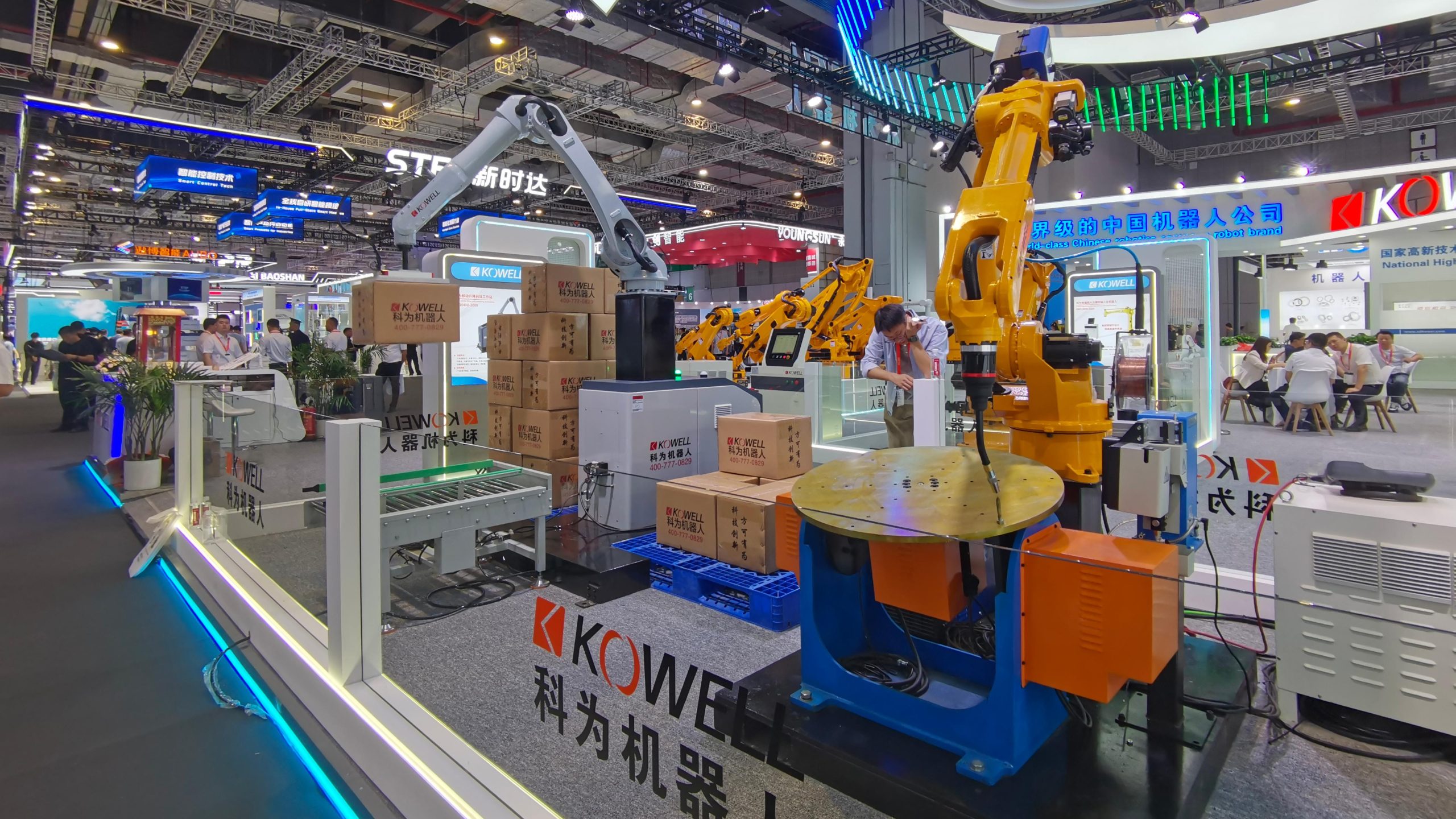
By utilizing different end-of-arm tooling options, the system can reliably handle various carton sizes and packaging formats. It is suitable for snack foods, seasonings, dairy products, beverages, and many other food industry applications, improving handling stability throughout the palletizing process.
Seventh-Axis Lifting System Maximizes Storage Space
The workstation can be equipped with a seventh-axis lifting column, enabling palletizing heights of up to 2.1 meters. This helps maximize vertical warehouse space and supports high-stack palletizing applications, improving storage efficiency.
Compact Design for Existing Production Lines
Its integrated and compact structure requires minimal floor space and can be installed within existing production environments. For many food manufacturers, deployment can be completed without major facility modifications, making it an ideal solution for both new and existing production lines.
Food Palletizing Robots Support Food Industry Automation Upgrades
As smart manufacturing continues to expand throughout the food industry, flexible production, hygiene compliance, and operational efficiency have become key priorities.
As an automation solution specifically developed for food processing applications, a food palletizing robot not only improves palletizing efficiency but also helps optimize production workflows, enhance operational consistency, and support better factory management.
Looking ahead, Kewei will continue focusing on food industry applications while further developing food palletizing robots, collaborative palletizing workstations, and related automation equipment. Through safer, smarter, and more adaptable solutions, Kewei remains committed to helping food manufacturers improve productivity and accelerate their automation journey.
Frequently Asked Questions (FAQ)
Q1: Does a food palletizing robot require reprogramming when changing carton sizes, pallet patterns, or product specifications?
A: Kewei's collaborative palletizing workstation features a graphical intelligent operating system that simplifies product changeovers. For standard product changes, operators only need to modify parameters such as carton dimensions, pallet pattern layouts, and stacking configurations through the touchscreen interface. Most adjustments can be completed within minutes. For cross-product applications requiring different tooling, operators can quickly switch end-effectors and perform simple position settings, making the system well suited for flexible manufacturing environments with frequent product changes.
Q2: Can the robot integrate with existing conveyors, packaging machines, case sealers, and PLC systems?
A: Yes. The system supports mainstream industrial communication protocols and automation interfaces, allowing seamless integration with conveyors, packaging machines, case sealers, inspection equipment, PLC controllers, and factory management systems. Automated signal exchange enables coordinated operations such as product arrival detection, pallet completion notification, and equipment status monitoring, helping manufacturers build a more efficient and automated production workflow.
Q3: Are grippers and vacuum suction cups included as standard? How are end-of-arm tools selected for different products?
A: End-of-arm tooling is selected based on the specific product and packaging requirements. Vacuum suction systems are commonly used for cartons and rigid packaging, while mechanical grippers can be configured for containers, boxes, and other packaging formats. Kewei provides end-effector selection guidance, custom tooling design, installation, and application testing to ensure reliable and stable palletizing performance across different food production scenarios.
Online Consultation
Hello, the current customer service is offline. You can leave your contact information and the staff will respond to you as soon as possible!