
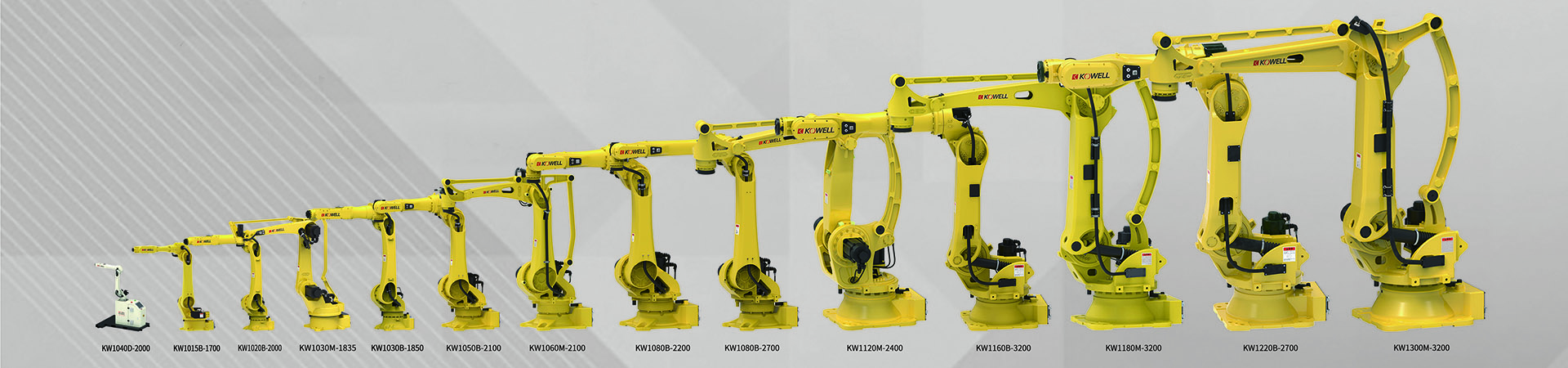
On October 14, 2026, CIIF entered its third day.
As discussions around “Embodied Industry, Intelligent Leadership for the Future” continued to gain momentum, attention gradually moved beyond individual machines toward a more fundamental question:
When embodied intelligence truly enters the industrial environment, how should we understand the concept of the “embodied industry”?
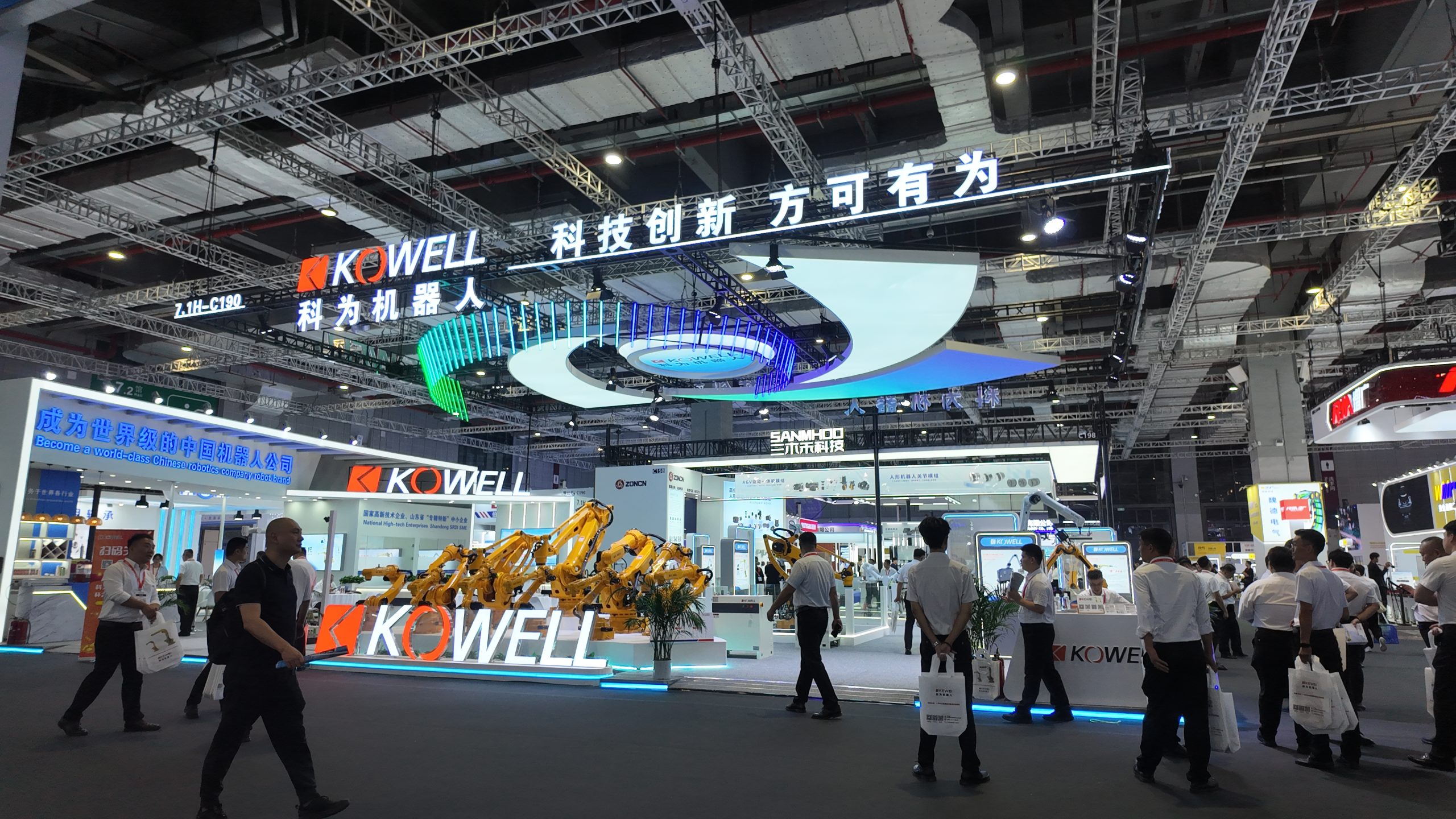
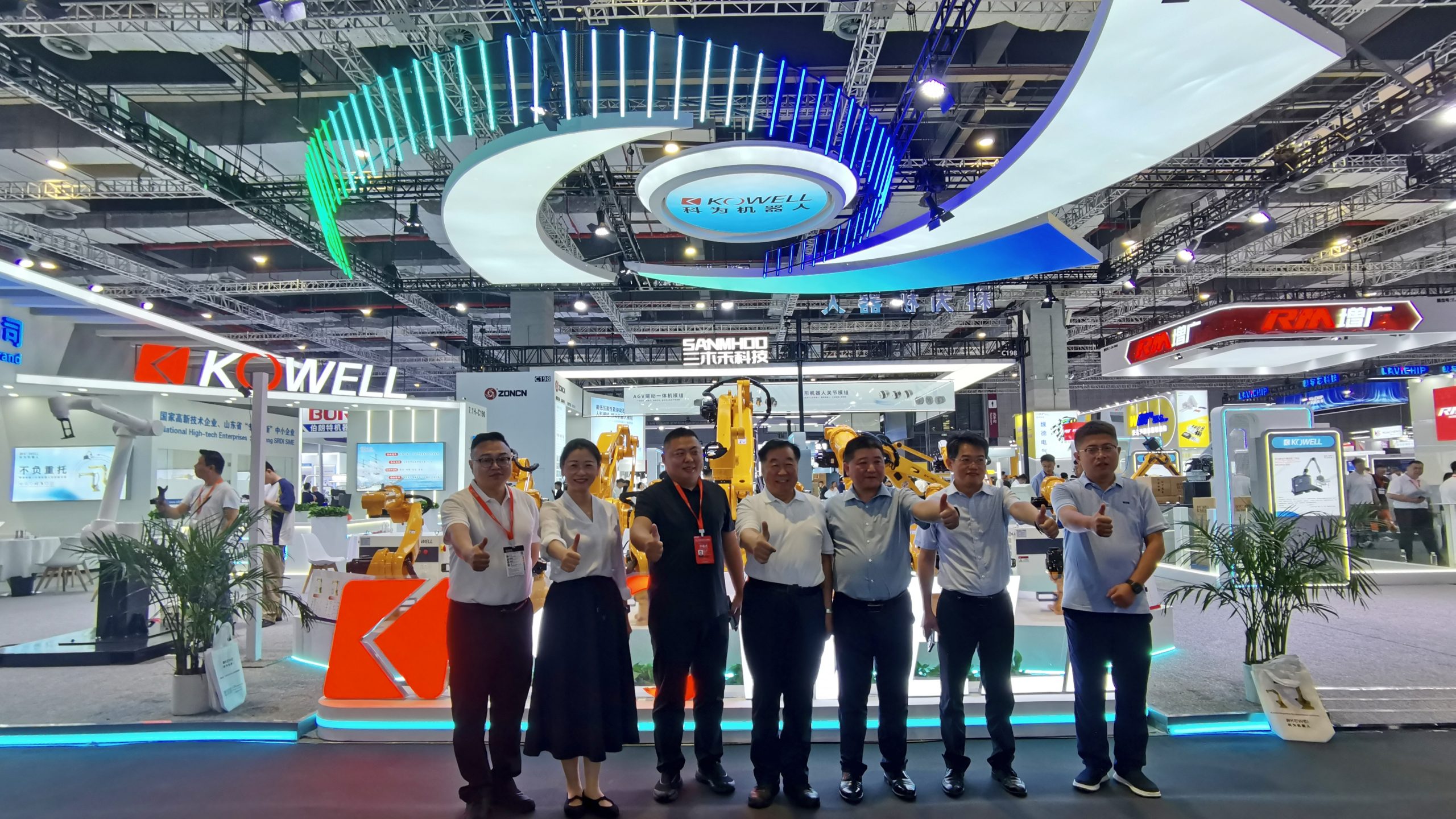
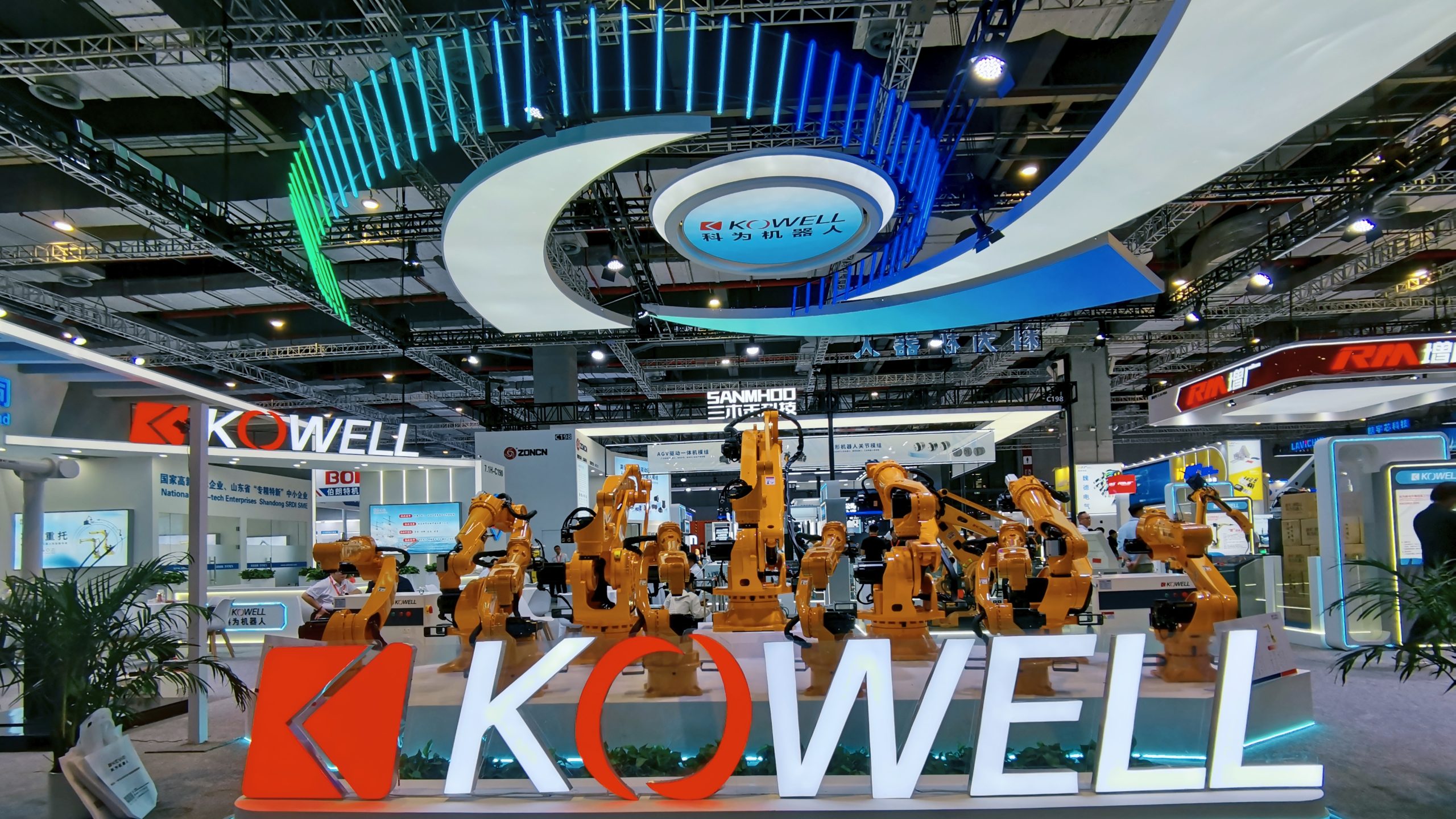
At the Kowell Robot booth, the discussion moved from concepts to engineering and from buzzwords to practical applications.
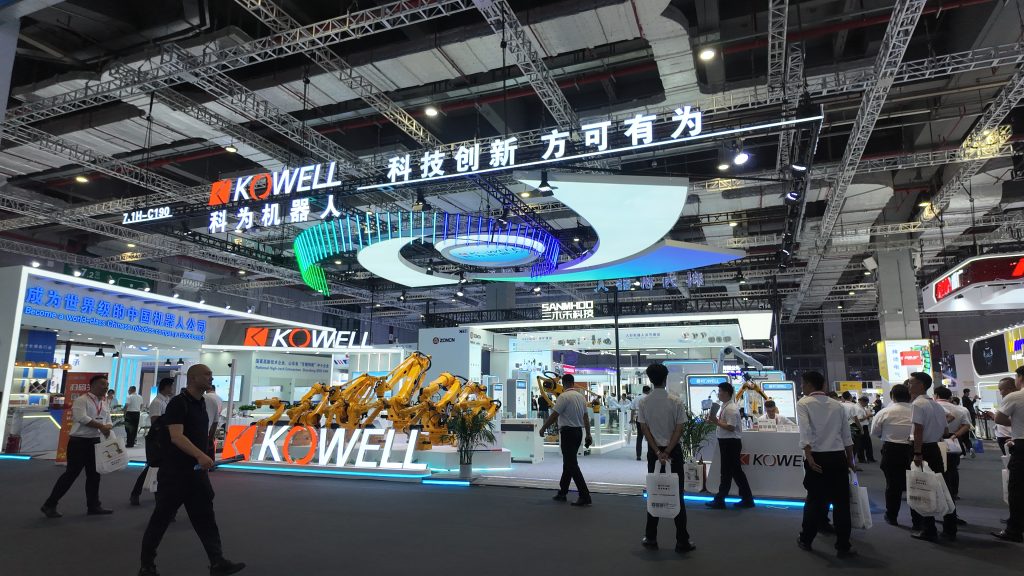
1. Beyond the Buzzword: Embodied Industry Must Return to Real Manufacturing
At its core, embodied intelligence means that intelligent systems are no longer confined to virtual environments. They interact continuously with the physical world through perception, decision-making, and execution.
When this concept enters industrial manufacturing, its value becomes much more concrete.
Perception enables equipment to acquire information about workpieces, environments, and production conditions.
Decision-making enables equipment to determine appropriate movements and operations according to actual conditions.
Execution turns those decisions into real manufacturing actions through robot hardware, control systems, and application processes.
From Kowell’s perspective, embodied industry is therefore not defined by a particular robot form, nor is it simply another technology buzzword.
Its real value lies in bringing intelligence into real production—enabling equipment to see clearly, make accurate decisions, move steadily, and continuously adapt to manufacturing requirements.
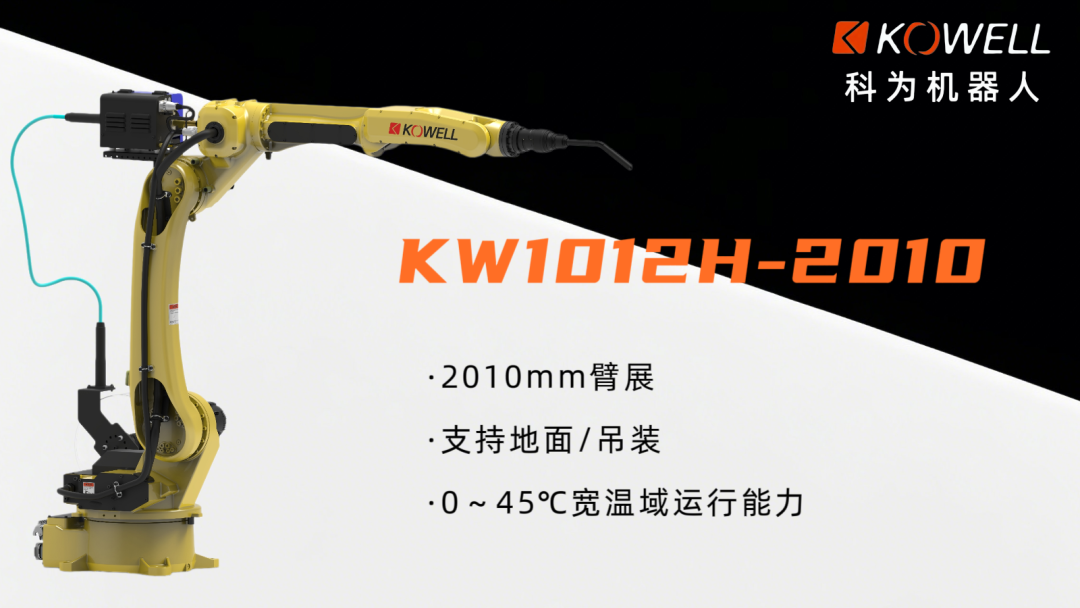
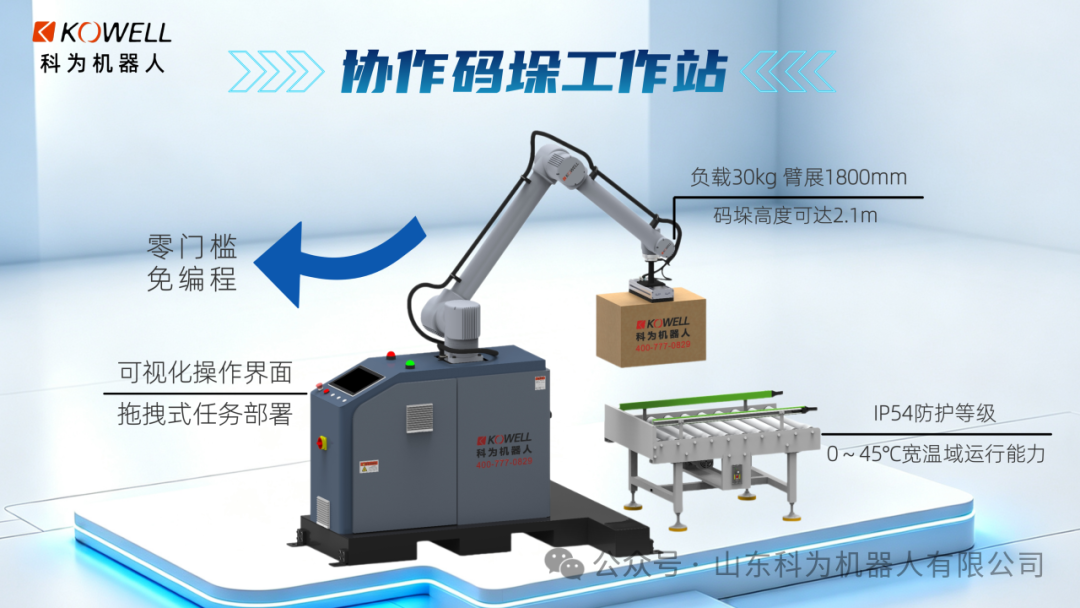
From heavy-duty six-axis robots to intelligent welding workstations, collaborative palletizing workstations, and mobile collaborative equipment, different forms of intelligent equipment can become practical expressions of embodied industry in manufacturing.
2. Building Consensus: Technology Must Ultimately Deliver Manufacturing Value
The discussions on the third day also brought the concept of “intelligence” back to the production floor.
For system integrators, production-line builders, and manufacturers, what matters is not technology that remains at the demonstration stage, but automation equipment that can enter real production, operate reliably over time, and create measurable value.
Real manufacturing environments involve dust, vibration, workpiece deviations, product changeovers, and complex processes.
A truly industrial intelligent system therefore needs to consider stability, adaptability, maintainability, and practical return on investment at the same time.
Around the transition from individual automation to system-level coordination, Kowell’s technical team engaged in deeper discussions with visitors at the exhibition.
From robot selection and process adaptation to coordination between equipment and production lines, the discussions ultimately returned to one fundamental question:
Can the technology actually solve a manufacturing problem?
This is a critical step in moving industrial intelligence from technology demonstration to real production value.
3. Ecosystem Collaboration: Bringing Technology from Research to Manufacturing
The development of embodied industry also depends on collaboration beyond individual products or companies.
Kowell’s industry-academia-research cooperation with Shandong University is one example of this approach.
From fundamental research and technical exploration to robot development and validation in real manufacturing scenarios, the cooperation creates a continuous connection between research and industrial applications.
For a robotics company, the value of such collaboration is not simply access to new technologies. It is about building a long-term path from technology research to product development, application validation, and continuous optimization.
This is another dimension of how Kowell understands embodied industry:
True intelligence is not simply about making equipment more complex. It is about bringing technology closer to real manufacturing.
The Third-Day Consensus: Back to the Factory Floor
From asking what embodied industry is to asking what it should actually solve, the discussions on the third day gradually pointed toward a clear consensus:
Industrial intelligence must ultimately return to the production floor.
Robots need to perform reliably. Equipment needs to adapt to real operating conditions. Systems need to integrate with existing production lines. And technology needs to translate into measurable manufacturing value.
Perhaps this is the direction that makes embodied industry truly worth watching:
Not the pursuit of another new concept, but bringing intelligence into industry.
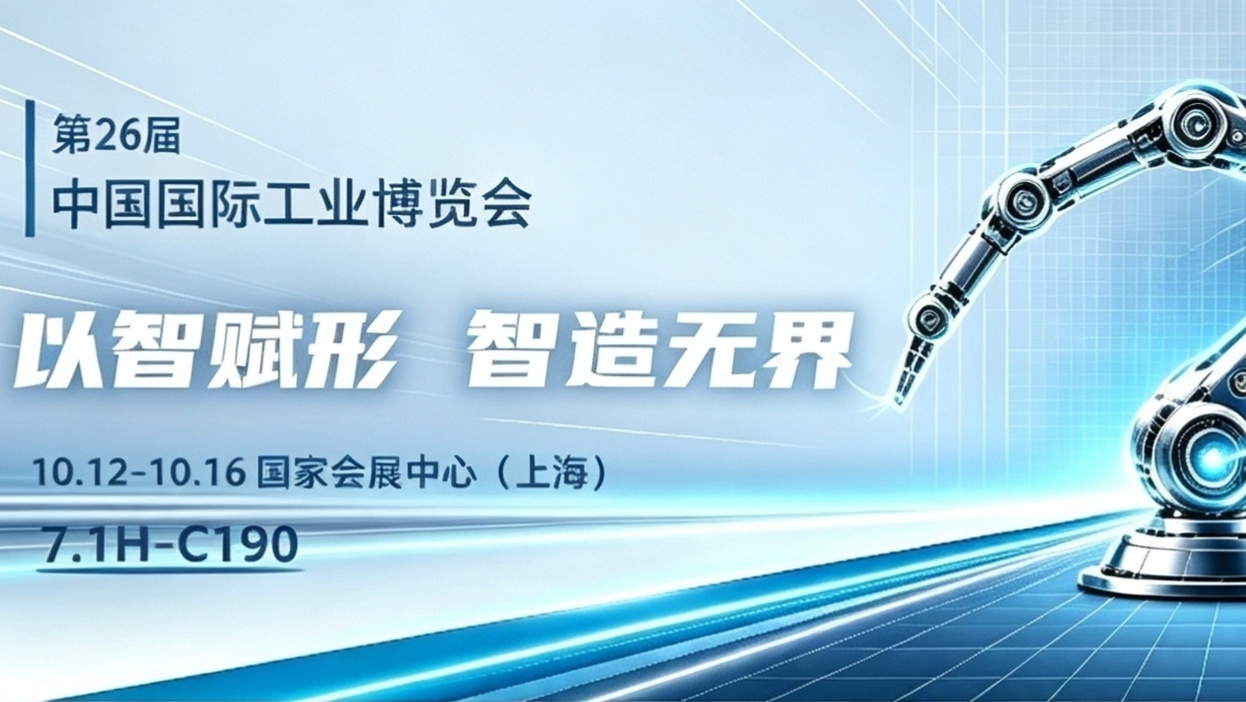
Kowell Robot will continue to welcome visitors at Booth 7.1H C19 on October 15–16.
Exhibition Dates | October 12–16, 2026
Venue | National Exhibition and Convention Center (Shanghai Hongqiao)
Booth | 7.1H C19
Online Consultation
Hello, the current customer service is offline. You can leave your contact information and the staff will respond to you as soon as possible!