
As CIIF entered its second day, the focus gradually moved from simply viewing products to exploring the technology behind them.
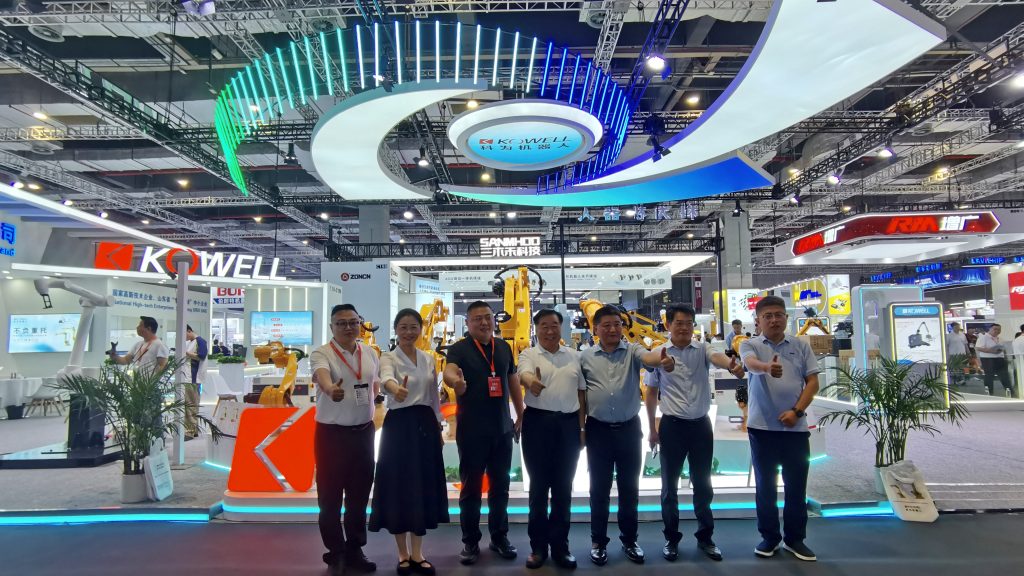
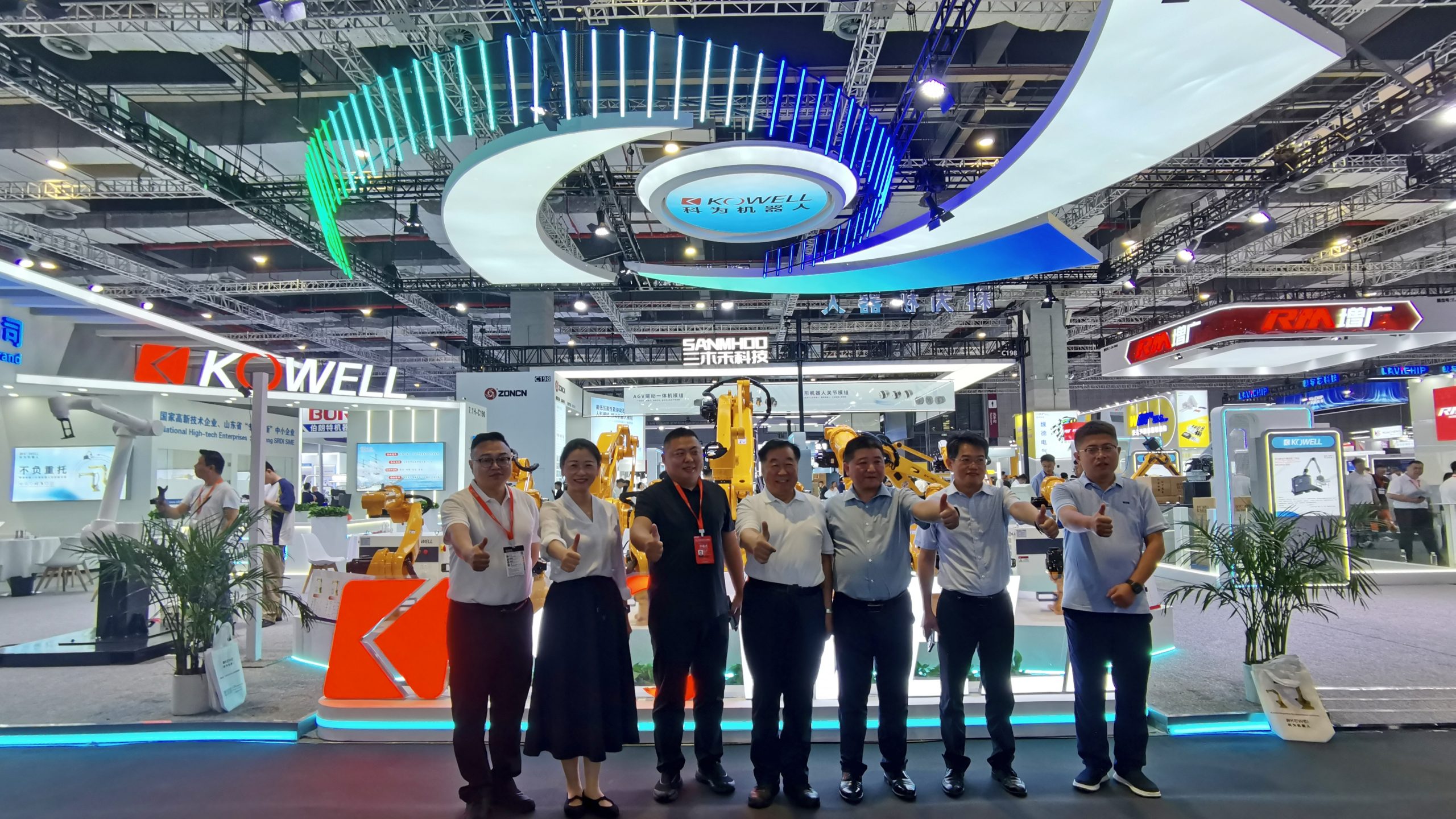
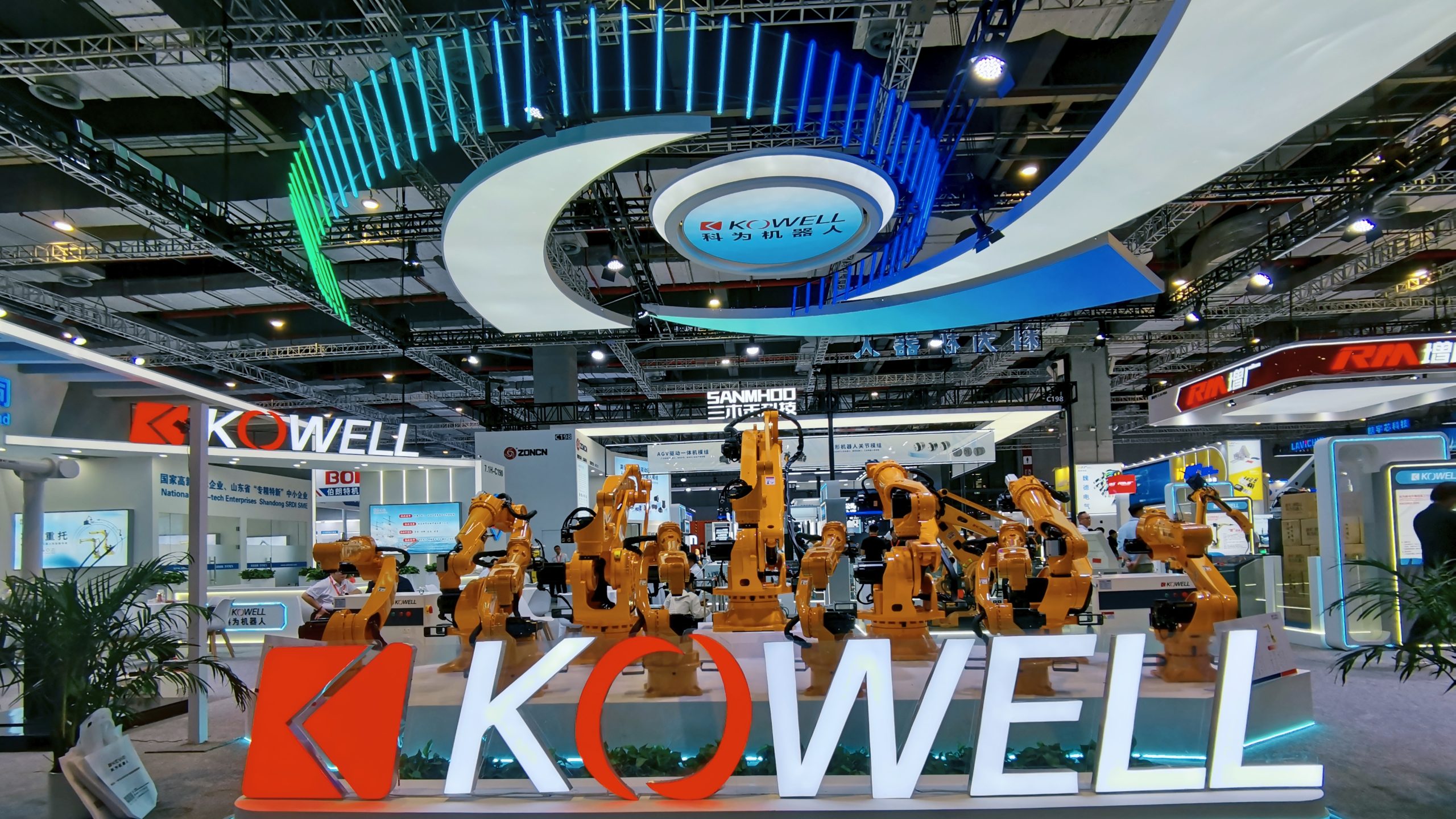
On October 13, 2026, at the National Exhibition and Convention Center in Shanghai Hongqiao, conversations at the Kowell Robot booth went deeper into motion control, welding processes, and flexible palletizing.
How can a heavy-duty robot maintain stable motion under demanding loads? How can a welding robot respond to variations in workpiece position? And how can palletizing systems make operation and product changeovers easier?
These questions became the focus of the technical discussions on the second day.
1. The Logic Behind Motion Control: Balancing Payload and Precision
The technical capability of a heavy-duty industrial robot is not defined by payload alone. What matters in real applications is how effectively payload, motion speed, working range, and positioning accuracy can be balanced.
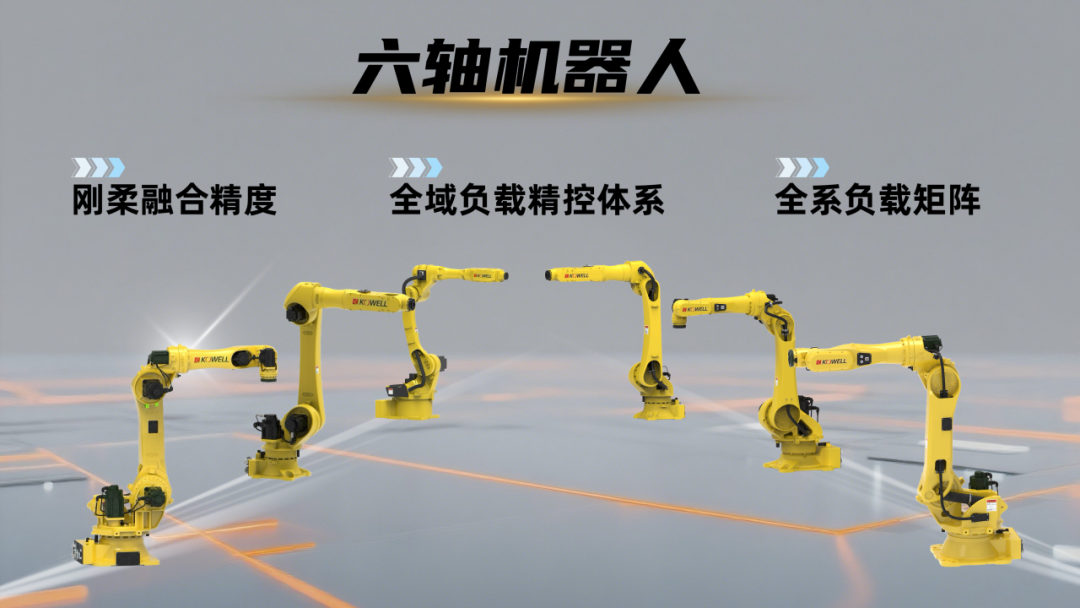
Kowell’s six-axis industrial robots are equipped with a self-developed high-dynamic motion control algorithm designed to optimize robot movement and maintain stable operation under different payloads and working conditions.
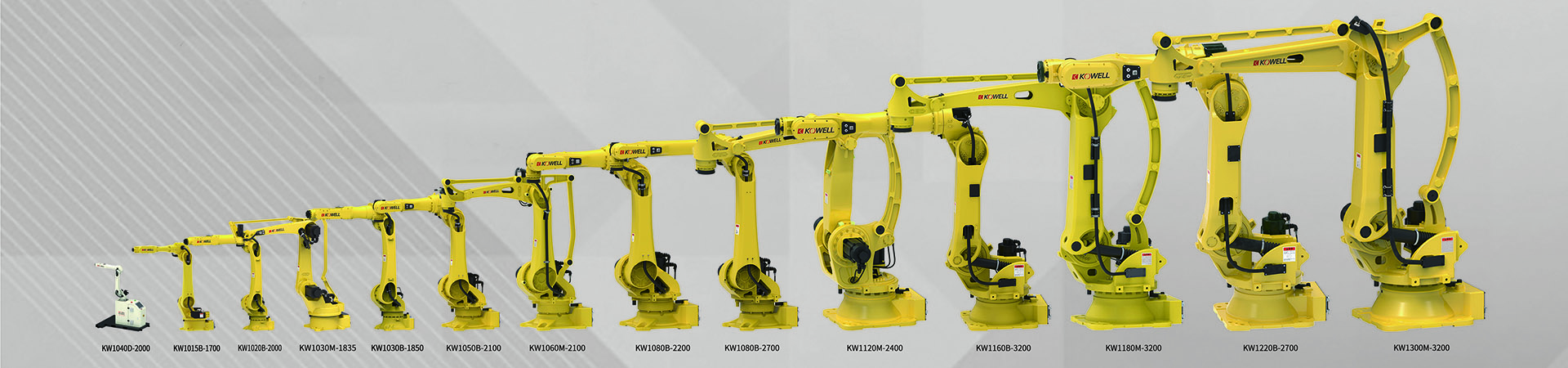
Kowell’s industrial robot portfolio covers payloads from 5 to 300 kg, while selected models achieve repeatability of up to ±0.05 mm. This performance is not simply a static specification. It results from the combined performance of the robot structure, drive system, motion control, and actual operating conditions.
At the booth, the KW1180M-3200 performs dynamic demonstrations with a 3,200 mm reach. Its continuous movements under extended reach and heavy-load conditions provide a direct view of how a heavy-duty robot balances motion stability, trajectory control, and positioning performance.
2. Deeper into Welding: From Robot Motion to Real Welding Applications
If the robot itself answers the question of “how to move with stability,” welding automation must also address another question: “how to perform the process consistently on real workpieces.”
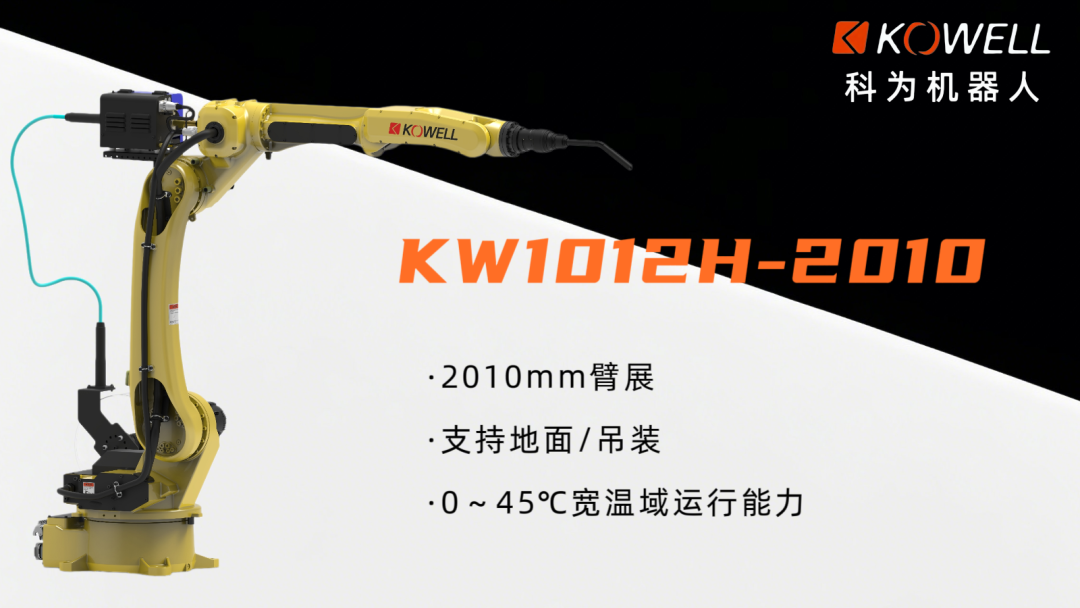
The KW1012H Intelligent Welding Workstation combines robot motion with practical welding applications. When workpiece positioning deviations occur during production, the system can identify the incoming deviation in real time and autonomously make fine adjustments to the robot trajectory.
This allows the robot to respond to actual workpiece conditions instead of simply repeating a fixed movement pattern.
Depending on project requirements, the system can be configured for welding processes such as laser welding and gas-shielded welding, and can be adapted to different workpiece materials. This provides an automation option for applications including automotive components and mechanical structures.
The discussions on the second day therefore moved beyond whether a robot can weld, toward how robotic welding can respond to variations in real production and process requirements.
3. Flexible Palletizing: From “Can Palletize” to “Easy to Configure”
Palletizing automation is also evolving from pure execution efficiency toward easier operation and more flexible applications.
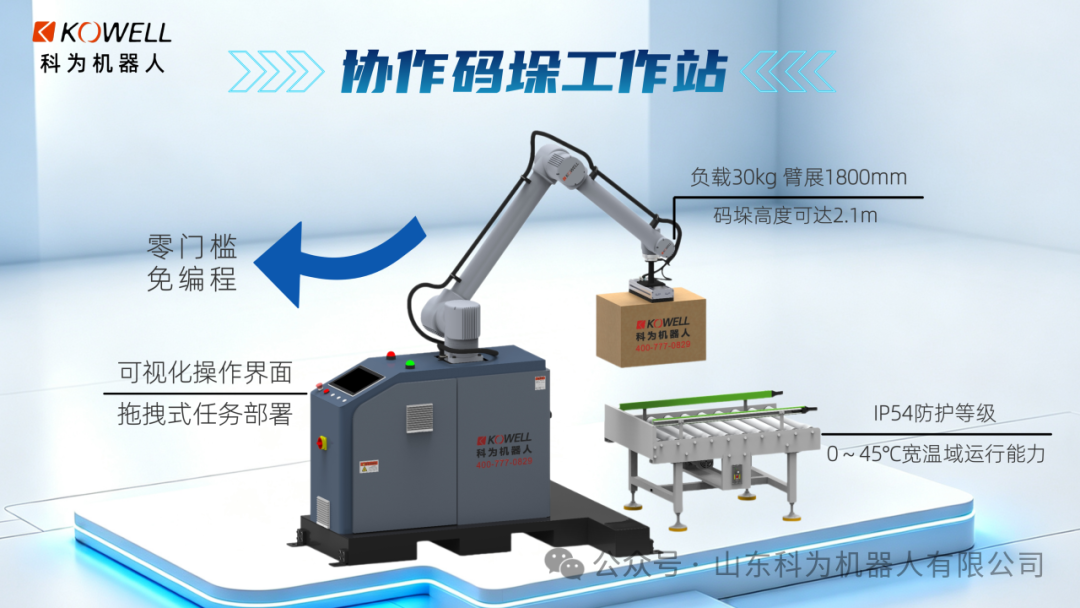
On the KW1030D and KW1040D intelligent palletizing workstations, the OPIS one-click intelligent palletizing system uses a graphical interface to simplify operations such as pallet pattern setup and task configuration.
Combined with zero-programming pallet pattern design, users can configure common palletizing tasks without complex programming. For production environments with multiple product specifications and frequent changeovers, a more intuitive interface can reduce the operating barrier and make robotic palletizing more suitable for flexible production.
From robot motion control and welding trajectory adjustment to palletizing task configuration, these technologies ultimately serve the same purpose: making robots better suited to real manufacturing environments.
Technical Perspective: From Individual Performance to System-Level Capability
The technical capability of an industrial robot cannot be defined by a single specification.
Robot structure and performance, motion control algorithms, application processes, and human-machine interaction all need to work together to create an automation solution that can be practically deployed.
From heavy-duty industrial robots and intelligent welding workstations to collaborative palletizing systems, Kowell continues to develop capabilities around robot hardware, control systems, and application processes, extending these technologies into real manufacturing environments.
On the second day of CIIF, precision was presented not simply as a number, but as the combined result of robot structure, control, and application capabilities.
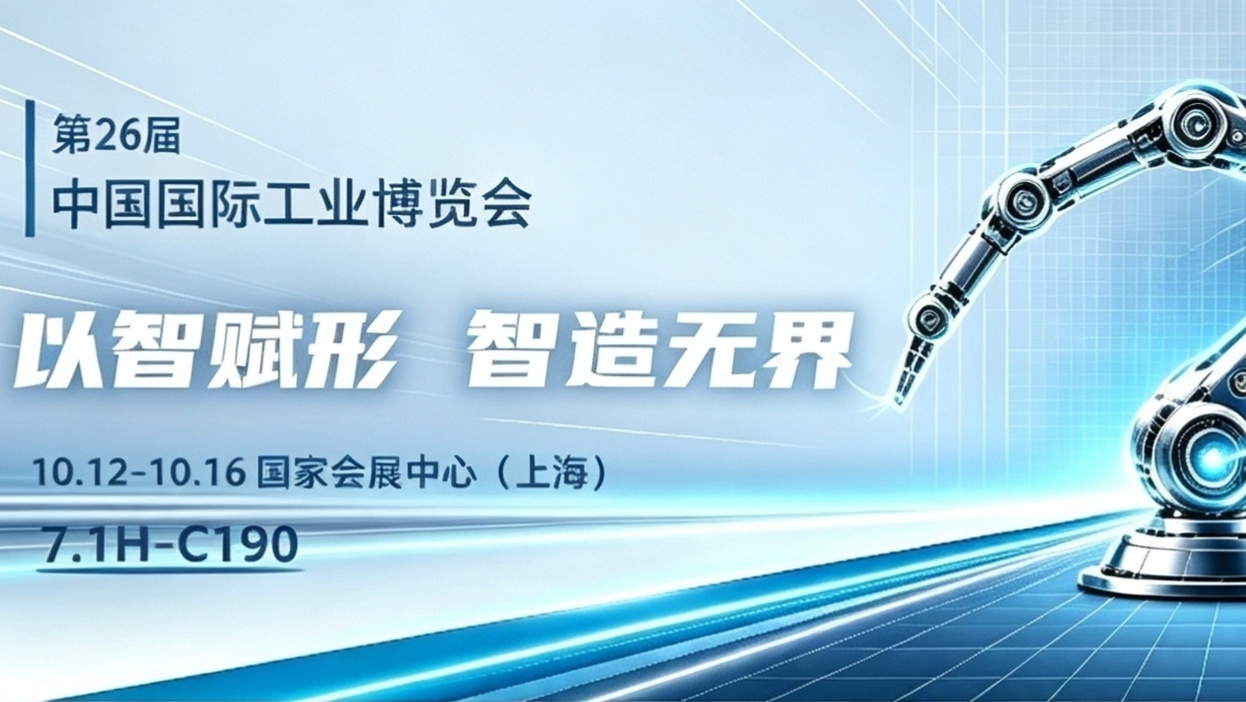
Kowell Robot will continue to welcome visitors at Booth 7.1H C19 from October 14 to 16.
Exhibition Dates: October 12–16, 2026
Venue: National Exhibition and Convention Center (Shanghai Hongqiao)
Booth: 7.1H C19
Online Consultation
Hello, the current customer service is offline. You can leave your contact information and the staff will respond to you as soon as possible!