
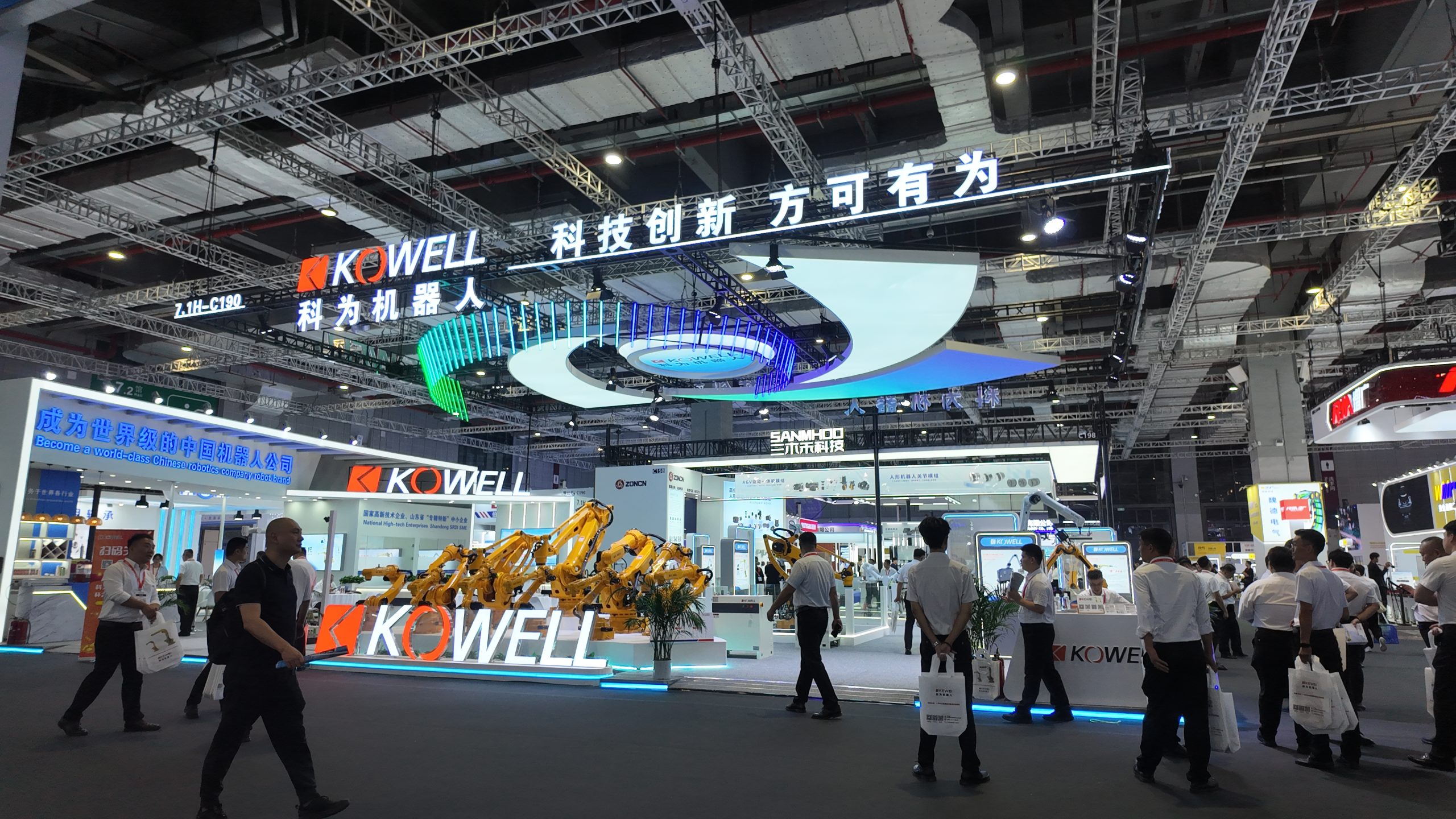
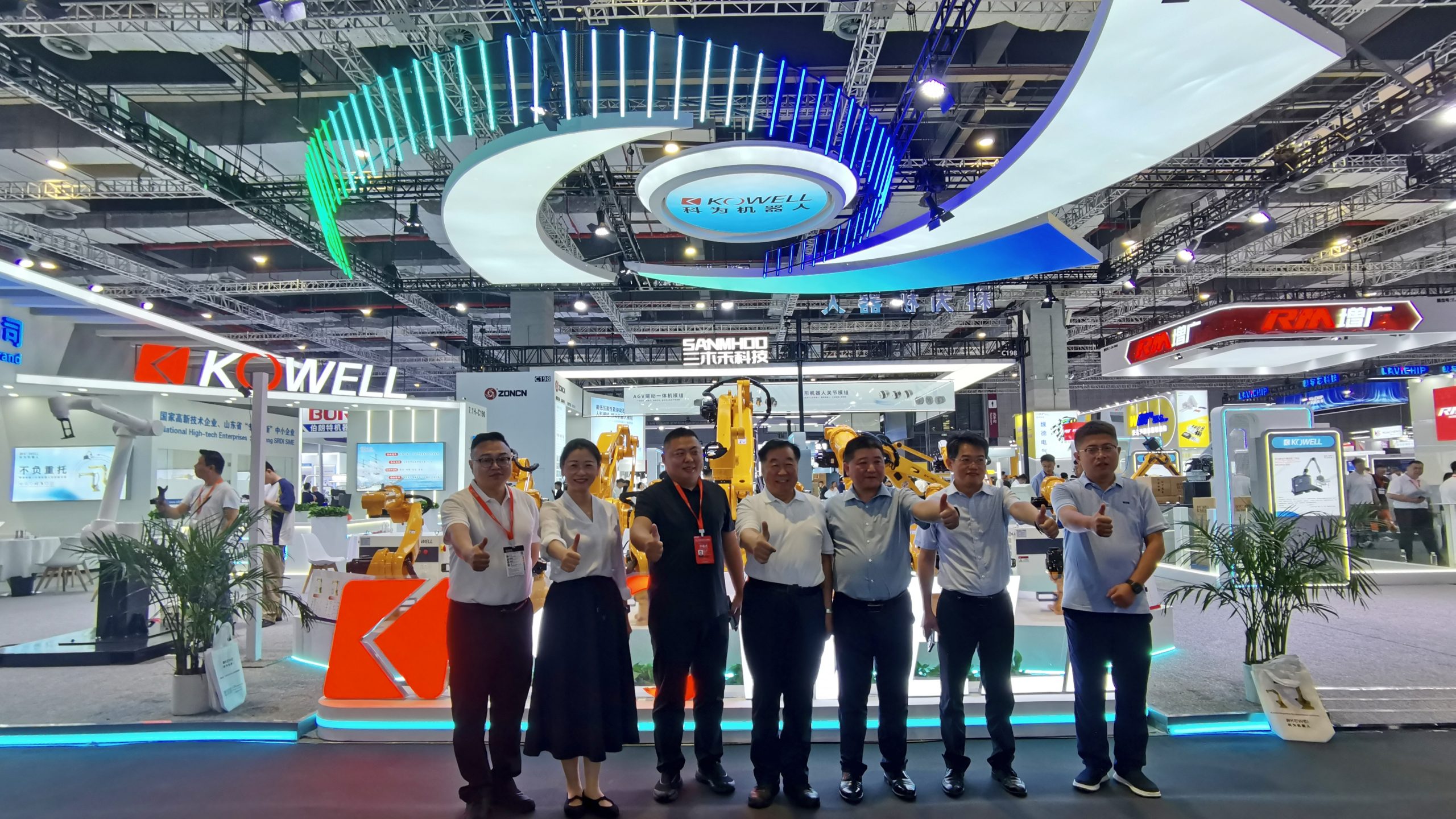
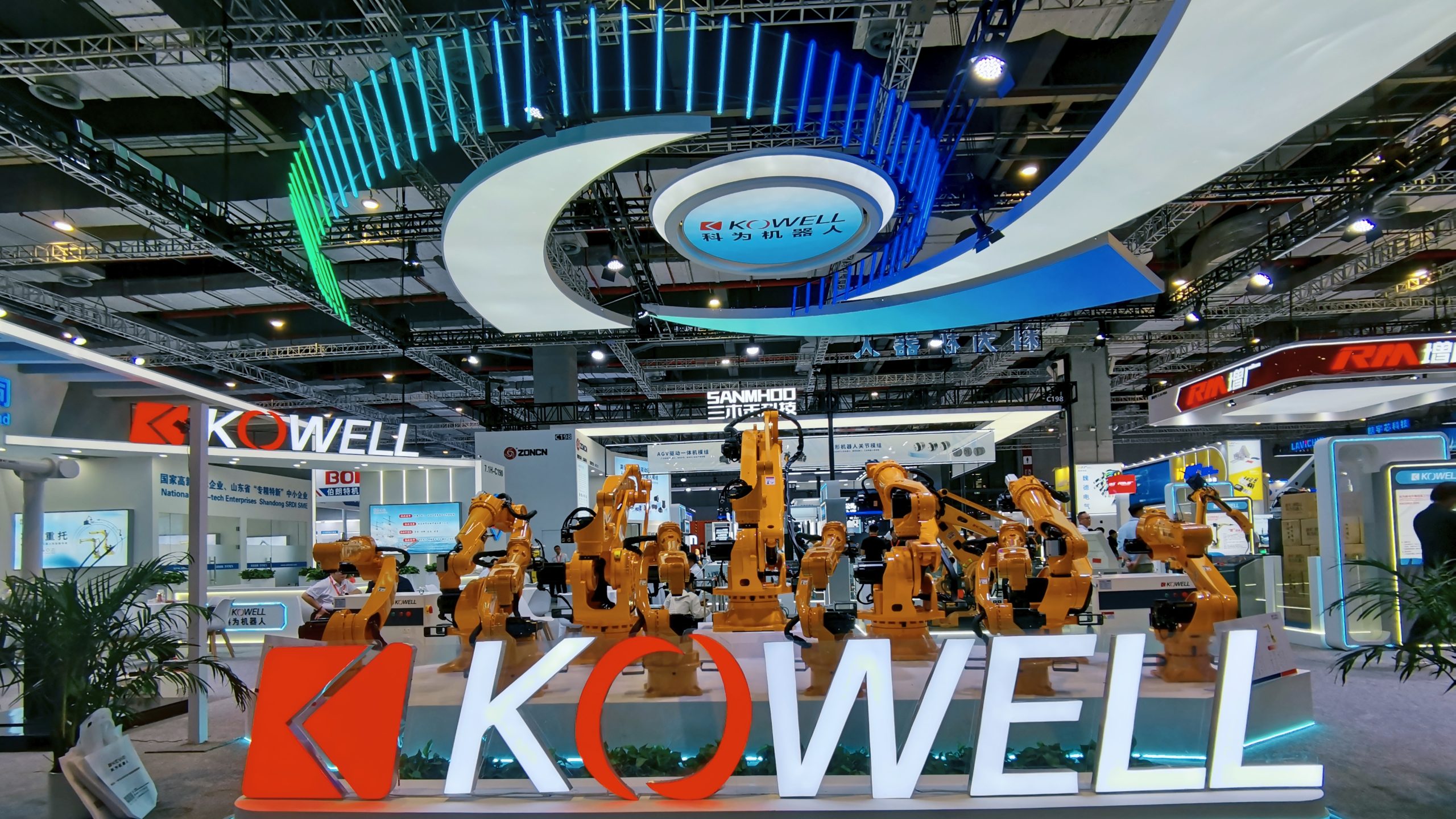
On October 15, 2026, the 26th China International Industry Fair (CIIF 2026) entered its fourth day. As the exhibition progressed, discussions at Kowell Robot’s booth moved beyond individual robot performance and product specifications to more in-depth topics, including software algorithms, dual-arm coordination, adaptation to complex operating conditions, and the practical application of automation solutions.
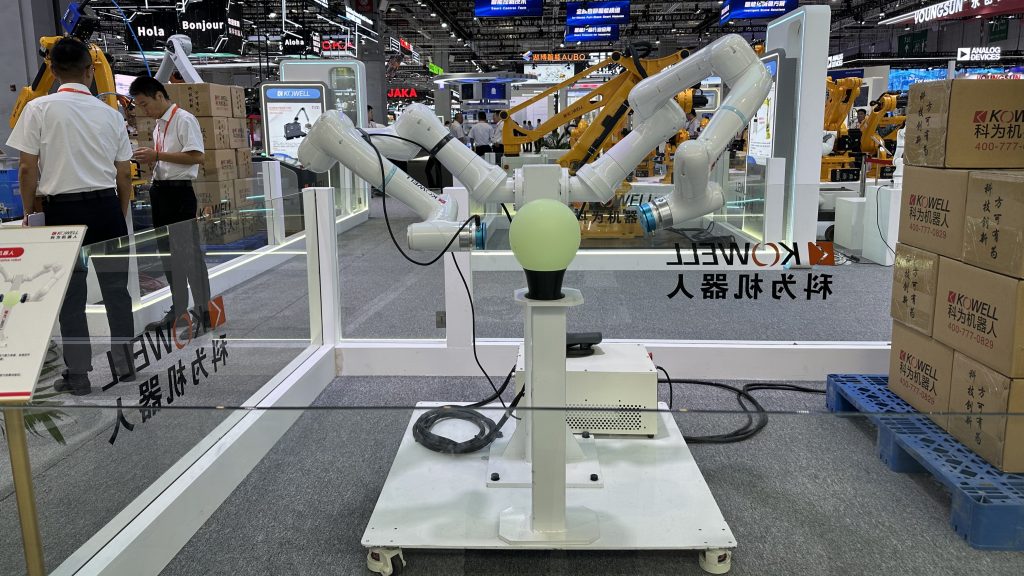
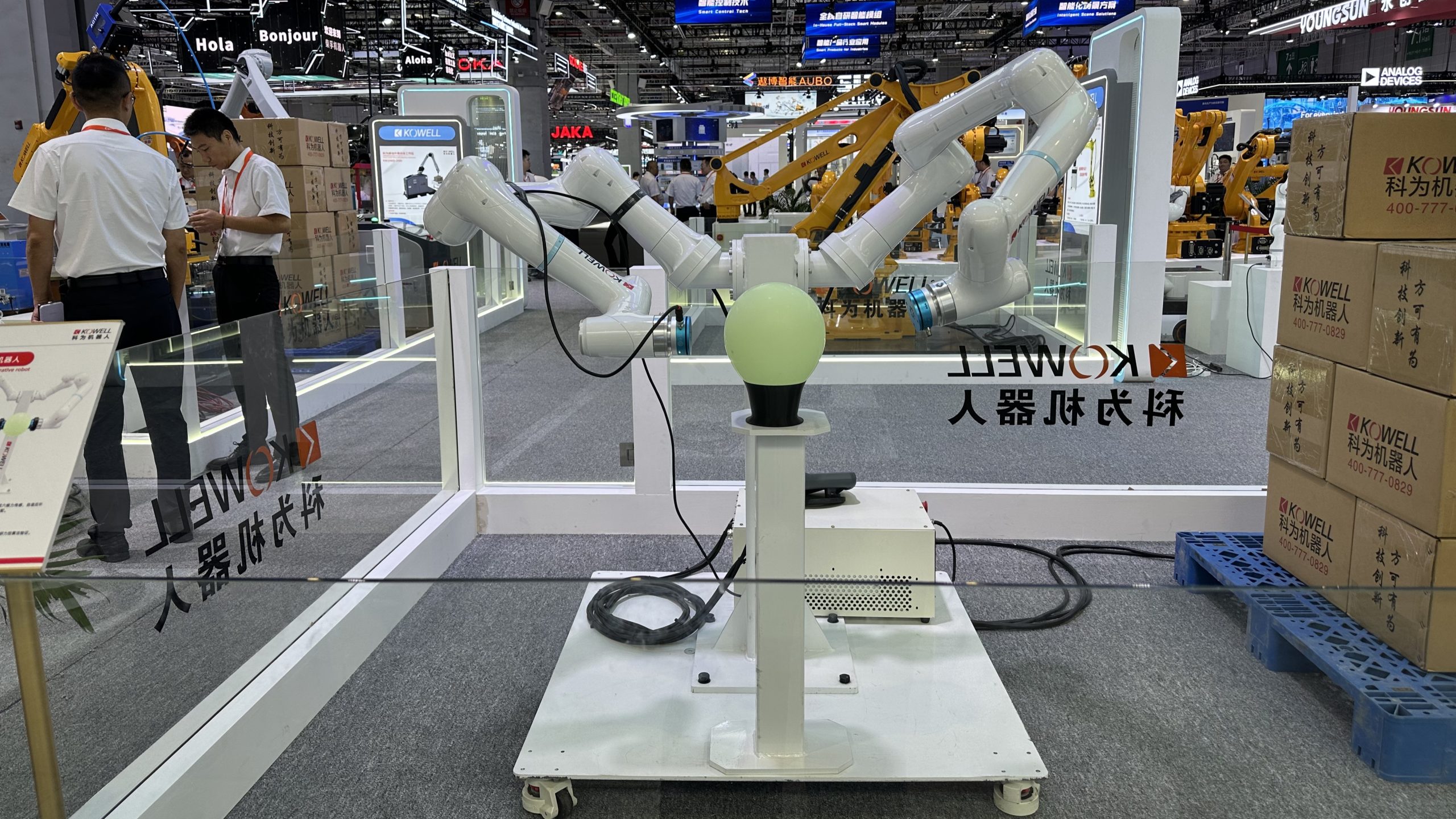
Following three days of product displays and application demonstrations, Kowell Robot placed greater emphasis on the software and algorithm capabilities behind industrial robots. Focusing on the flexible operation capabilities of its embodied-intelligence dual-arm robot, the company presented its approach to applying algorithms in motion control, visual recognition, task scheduling, and process adaptation, demonstrating its ongoing exploration of intelligent control beyond basic robotic execution.
01 Technical Advancement: Algorithms Enhance Flexible Robotic Operations
Industrial automation depends not only on the payload, reach, and motion performance of the robot itself, but also on the software algorithms that influence its adaptability, operational efficiency, and flexibility under complex working conditions.
Designed around the requirements of complex industrial tasks, Kowell’s embodied-intelligence dual-arm robot continues to explore standardized, engineered, and reusable algorithm applications. By coordinating dual-arm movements, task execution, and process parameters, these technologies aim to improve the robot’s adaptability across different operating scenarios and reduce the complexity of handling sophisticated tasks.
At this year’s exhibition, Kowell highlighted four core algorithm capabilities:
- Dual-Arm Coordinated Trajectory Planning Algorithm
Using predefined models for different types of industrial operations, the algorithm accurately calculates the motion ranges of both arms and plans and optimizes their trajectories. This helps reduce the risk of mechanical interference during movement, improve operational stability and safety, and support applications involving confined workspaces and multiple coordinated processes.
- 3D Vision-Based Calculation and Matching Algorithm
The 3D vision-based calculation and matching algorithm identifies and calculates information such as workpiece position, orientation, and material deviation, providing a basis for robot positioning and subsequent operations. Depending on the vision system configuration and actual working conditions, this technology can support applications involving irregularly shaped workpieces and incoming materials with positional variations.
- Multi-Task Scheduling Algorithm
For combined operations such as sorting, workpiece arrangement, and machine loading and unloading, the algorithm breaks tasks into individual processes, organizes execution priorities, and coordinates operating cycles. This helps the two arms perform their assigned tasks in a coordinated and orderly manner.
- Parameter-Based Rapid Adaptation Algorithm
Applicable process routines can be organized into reusable parameter templates. Within the supported process and equipment range, adjusting relevant parameters can simplify task setup and changeover procedures, reduce repetitive debugging, and lower the operational barriers associated with switching between different workpieces and working conditions.
At present, this algorithm system primarily focuses on optimizing flexible single-robot operations and coordinating multiple robotic arms. These technical capabilities also provide a foundation for future applications involving workstation coordination, equipment interaction, and further production-line automation.
02 Expanding Applications: Flexible Dual-Arm Operations Across Multiple Processes
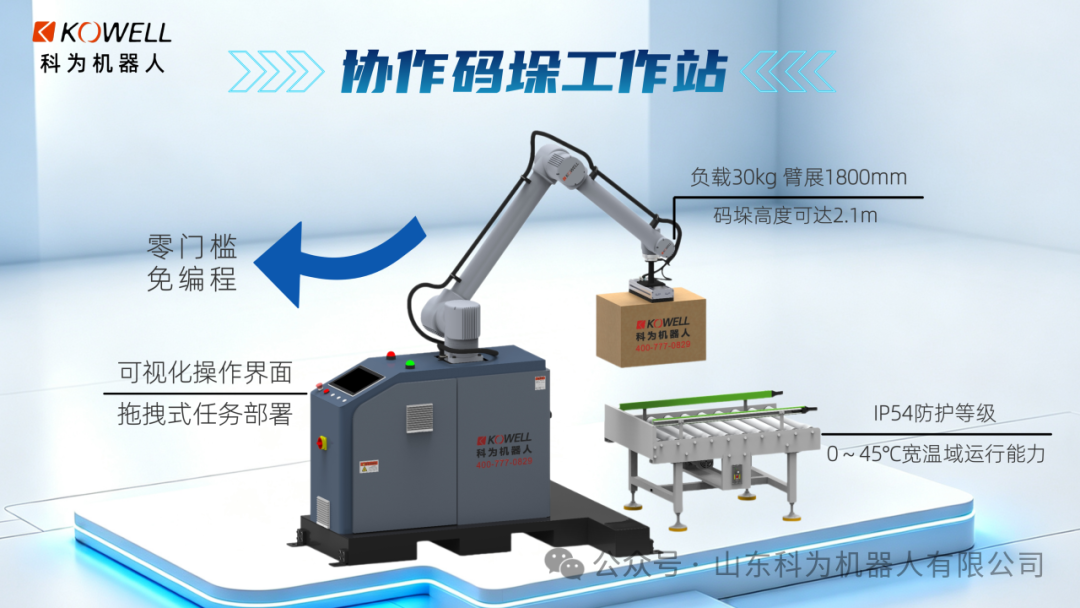
Supported by motion planning, visual recognition, and task scheduling technologies, dual-arm robots offer an additional automation option for industrial applications that require coordinated movements and sequential processes. They complement Kowell’s other robotic products, including heavy-duty material handling and intelligent palletizing equipment.
For industries such as light manufacturing, food processing, chemicals, electronics and automotive components, and general manufacturing, dual-arm robots can be configured for tasks including material sorting, workpiece arrangement and tray loading, precision component loading and unloading, material transfer between workstations, and finished-product sorting, depending on the specific workpieces, process requirements, and system configuration.
In these applications, coordinated dual-arm control helps manage task sequences and movement timing, supporting operations that involve multiple processes. Compared with conventional single-arm solutions, dual-arm robots can offer greater flexibility in task allocation for certain combined operations, providing manufacturers with additional options when designing automated workstations.
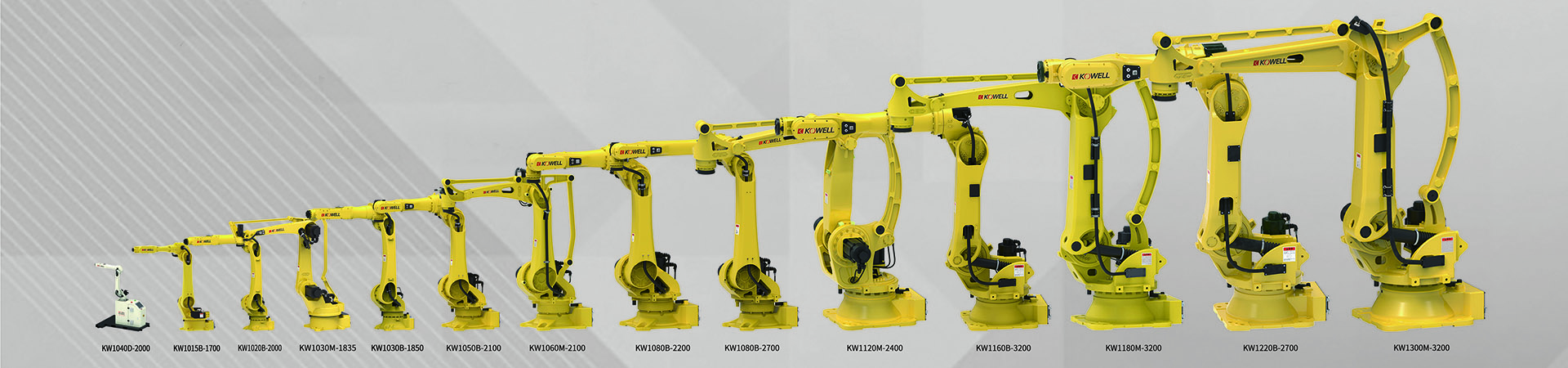
At the same time, Kowell is showcasing the KW1180M-3200, a large-reach industrial robot with a 3,200 mm reach, suitable for applications involving large working areas, material handling, and related palletizing tasks. Together with the flexible, multi-action capabilities of dual-arm robots, these products represent complementary areas of Kowell’s portfolio, addressing heavy-duty, large-reach operations and coordinated multi-step tasks respectively. This provides customers with a reference for robot selection and automation solution planning.
03 Building Technical Expertise: From Robot Products to Automation Solutions
During the first three days of the exhibition, Kowell Robot demonstrated the capabilities of its industrial robots through product displays, live demonstrations, and application cases. On the fourth day, discussions extended further into software algorithms, coordinated control, and process adaptation, reflecting the company’s continued focus on core robotics technologies and practical industrial requirements.
For manufacturers, the value of automation equipment lies not only in individual machine performance, but also in its ability to accommodate specific processes, simplify task setup, and remain flexible as production requirements change.
Kowell Robot continues to develop its industrial robot hardware, control systems, and application technologies in coordination with one another. The company is also exploring ways to turn established operating experience into reusable technical solutions, helping customers reduce the complexity of implementing automation and supporting future production upgrades.
Intelligence is not simply a matter of adding new concepts; it comes from effectively connecting technical capabilities with real production needs. Kowell will continue to focus on industrial robotics applications and build expertise in motion control, coordinated operations, and process adaptation, supporting the development of industrial automation that is more flexible and easier to deploy.
04 Continuing the Conversation: Exploring New Directions in Industrial Automation
As CIIF 2026 continues, Kowell Robot will remain available at its booth for product demonstrations and technical discussions. Industry partners, manufacturers, and system integrators are welcome to visit and exchange ideas with the team.
Whether you are selecting industrial robots, exploring flexible dual-arm applications, considering palletizing and material handling solutions, or looking to automate a specific production process, we welcome the opportunity to discuss your requirements and explore solutions suited to your operating conditions.
Exhibition: The 26th China International Industry Fair (CIIF 2026)
Dates: October 12–16, 2026
Venue: National Exhibition and Convention Center (Shanghai)
Kowell Robot Booth: 7.1H C19
Visit Kowell Robot at the exhibition to learn more about our industrial robots and application technologies, and explore new possibilities in intelligent manufacturing with our team.
Online Consultation
Hello, the current customer service is offline. You can leave your contact information and the staff will respond to you as soon as possible!