
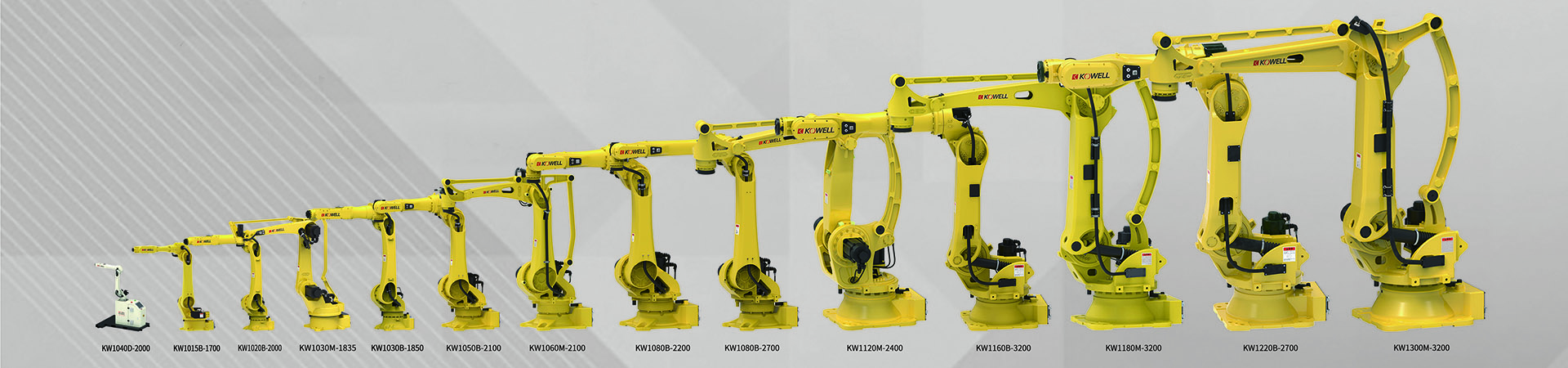
As manufacturing continues to evolve toward automation and digitalization, companies are seeking new ways to improve productivity, reduce labor dependency, and maintain consistent product quality. In this environment, the industrial robot has become an essential tool for modern factory automation. From material handling and palletizing to welding and machine tending, robotic solutions are helping manufacturers build more efficient, flexible, and reliable production systems.
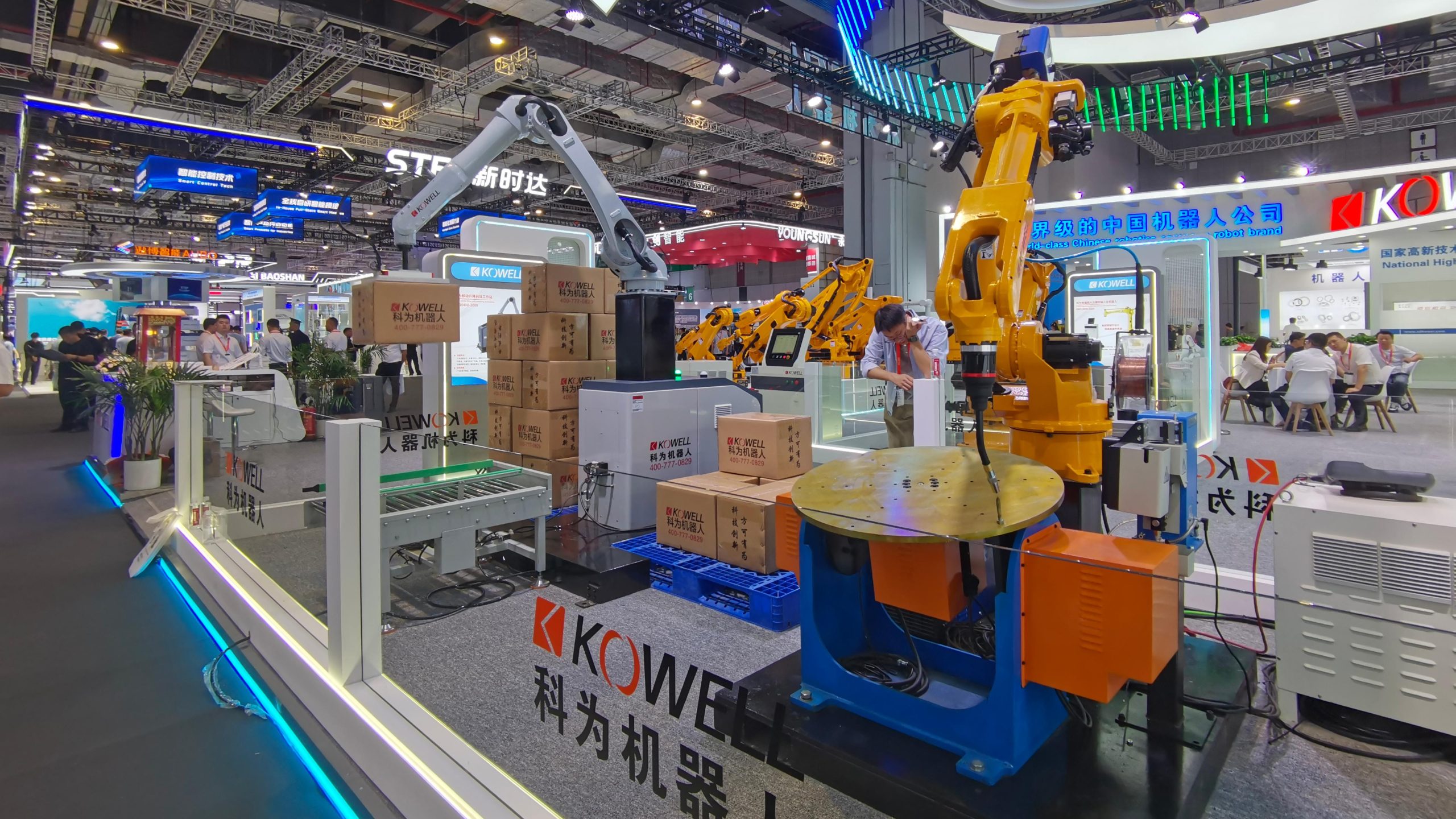
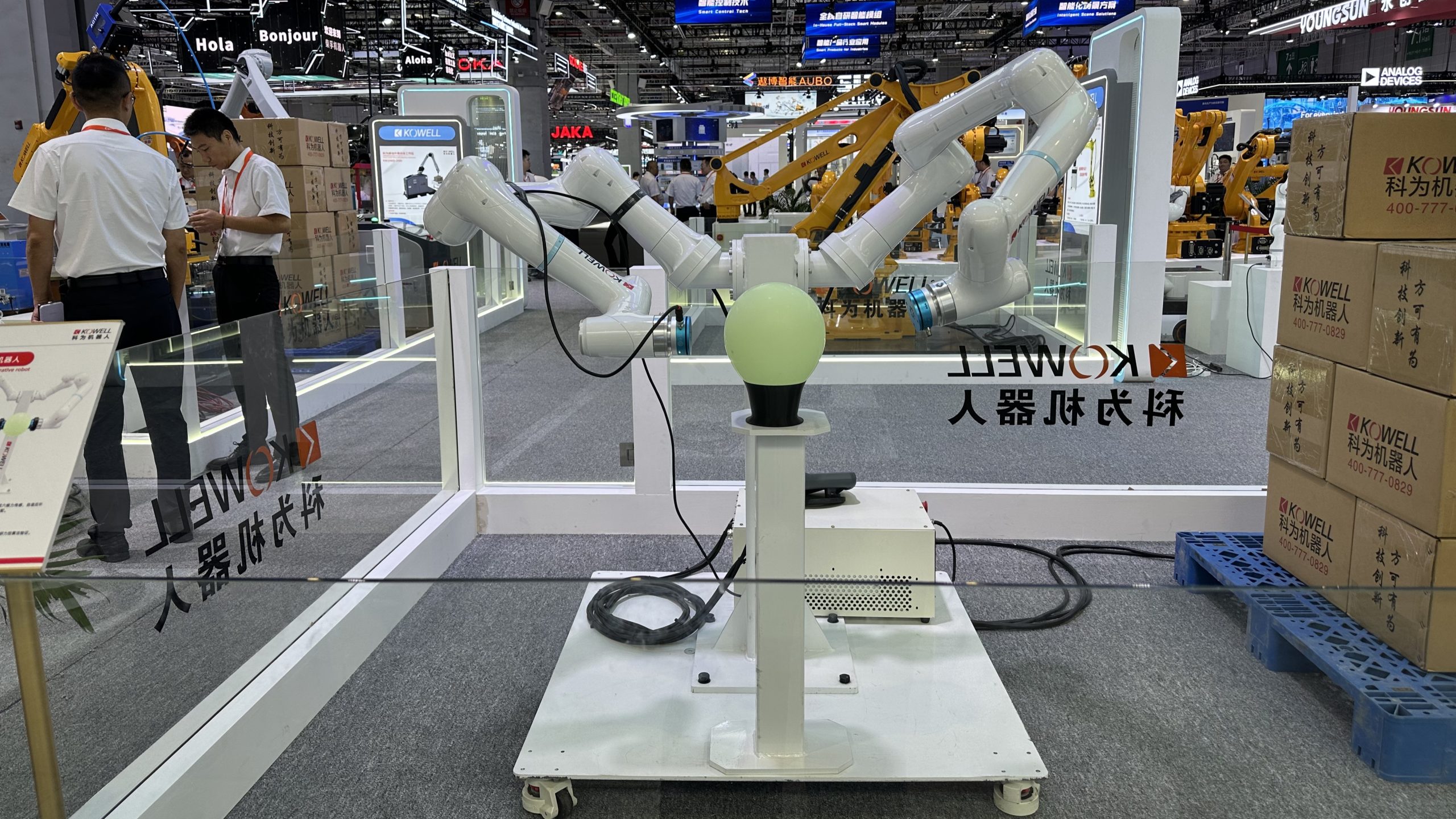
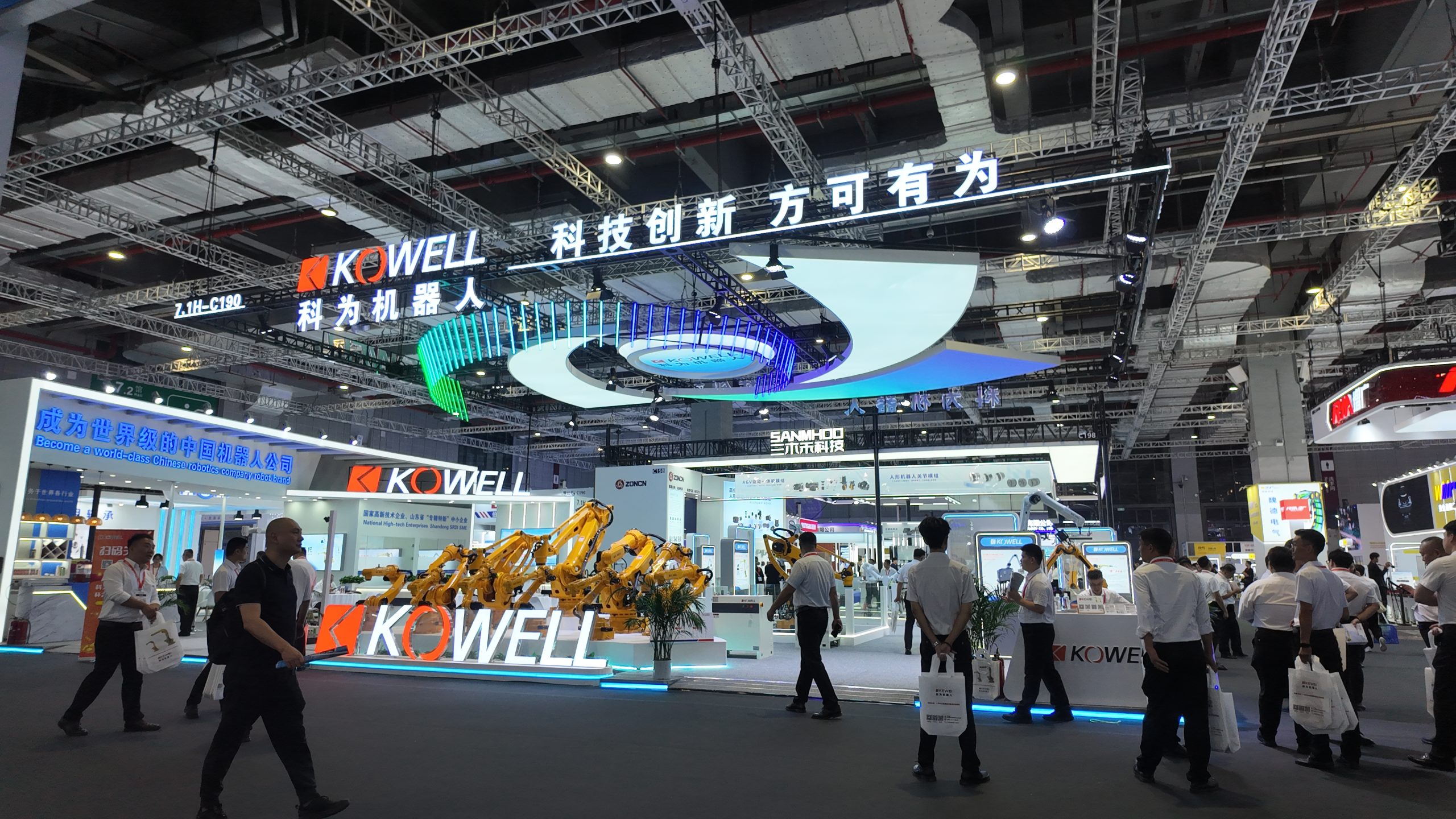
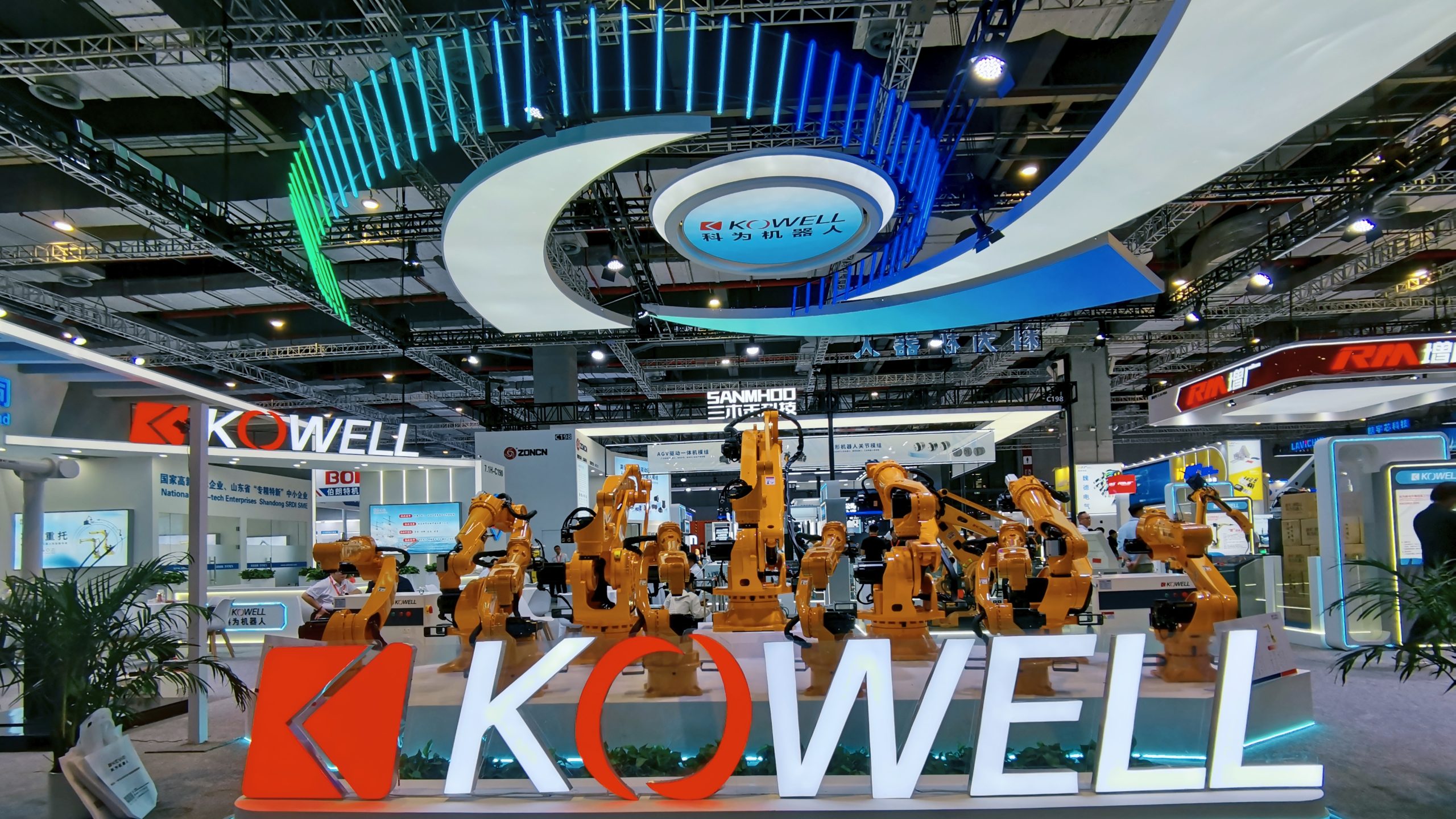
Shandong Kewei specializes in the development and manufacturing of industrial automation equipment, offering four-axis robots, six-axis robots, collaborative palletizing workstations, and welding robots for a wide range of industrial applications.
Industrial Robot Applications in Modern Manufacturing
Manufacturers across various industries are adopting automation technologies to streamline production processes and improve operational efficiency. Compared with manual operations, robotic systems provide greater consistency, repeatability, and production stability.
Today, the industrial robot is widely used in material handling, palletizing, welding, machine loading and unloading, assembly support, and warehouse logistics. These applications help manufacturers optimize workflows while supporting long-term production growth.
Four-Axis Robots for Material Handling and Machine Tending
Four-axis robots are designed for repetitive operations that require fixed movement paths and stable handling performance. They are ideal for material transfer, loading and unloading, box handling, and stacking applications.
With a rigid mechanical structure and reliable motion control system, these robots can operate continuously for extended periods while maintaining stable performance. Their compact footprint and easy integration make them suitable for industries such as food packaging, building materials, metal fabrication, and logistics.
For companies seeking a practical entry point into factory automation, four-axis robots offer an efficient and scalable solution.
Six-Axis Industrial Robot Solutions for Flexible Production
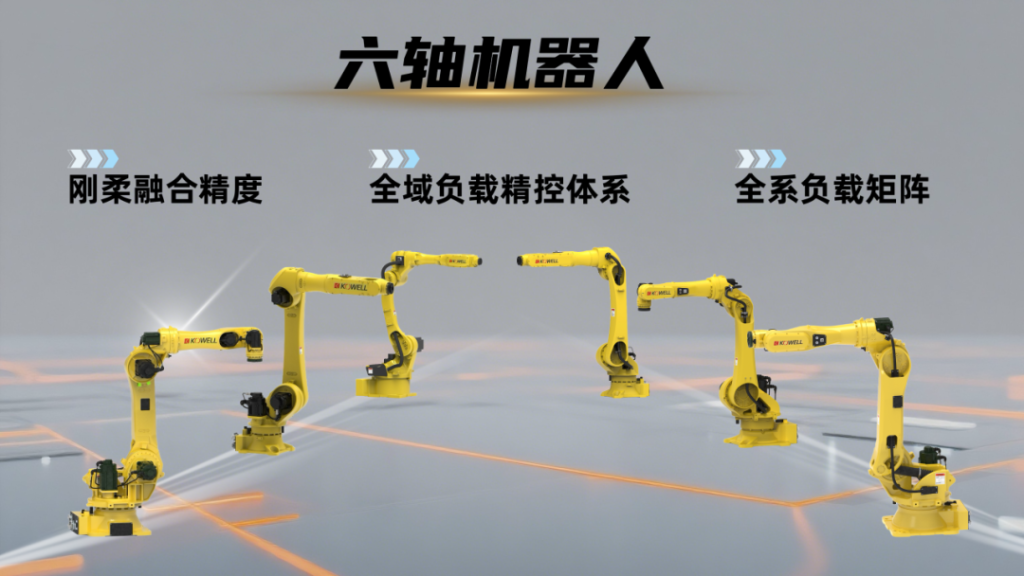
As manufacturers face increasing demand for product diversity and customized production, flexibility has become a critical requirement. A six-axis industrial robot provides the freedom of movement needed for complex operations and dynamic production environments.
Available in multiple payload capacities and reach configurations, six-axis robots can handle a wide range of workpieces and production tasks. Advanced servo control systems enable smooth motion, accurate positioning, and efficient cycle times.
These robots are widely used in automotive manufacturing, electronics production, food processing, warehouse automation, and other industries where flexible automation is essential.
Collaborative Palletizing Workstations for Warehouse Automation
Palletizing plays a vital role in end-of-line packaging and warehouse operations. Traditional manual palletizing often requires significant labor resources and may lead to inconsistent stacking results.
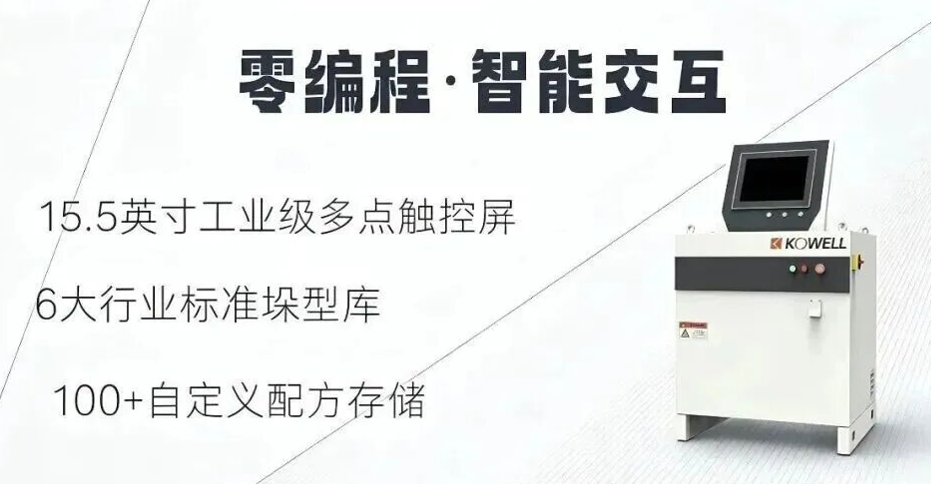
Collaborative palletizing workstations simplify deployment through user-friendly interfaces and standardized palletizing programs. Operators can quickly configure pallet dimensions, product specifications, and stacking patterns without complex programming.
The system supports cartons, bags, drums, and other packaging types, helping manufacturers improve warehouse efficiency and optimize storage utilization.
Welding Robot Systems for Consistent Production Quality
Welding quality directly impacts product performance and manufacturing efficiency. Automated welding solutions help manufacturers improve consistency while reducing reliance on manual welding operations.
Welding robots are designed to handle complex weld paths, curved surfaces, and multi-angle welding applications. They support various welding processes, including MIG welding, MAG welding, CO₂ welding, and laser welding.
Suitable for carbon steel, stainless steel, and aluminum alloy applications, welding robots are widely used in automotive components, steel structures, machinery manufacturing, metal fabrication, and furniture production.
Why Industrial Robots Are Driving Smart Manufacturing
As industries continue to embrace automation, the role of the industrial robot is expanding across nearly every stage of production. Whether for material handling, palletizing, machine tending, or welding, robotic solutions help manufacturers improve productivity, enhance operational flexibility, and optimize resource utilization.
With ongoing advancements in intelligent manufacturing technologies, the industrial robot will continue to play a key role in helping businesses build more efficient, scalable, and future-ready production systems.
Online Consultation
Hello, the current customer service is offline. You can leave your contact information and the staff will respond to you as soon as possible!