
On October 16, 2026, the 26th China International Industry Fair came to a successful close at the National Exhibition and Convention Center (Shanghai, Hongqiao).
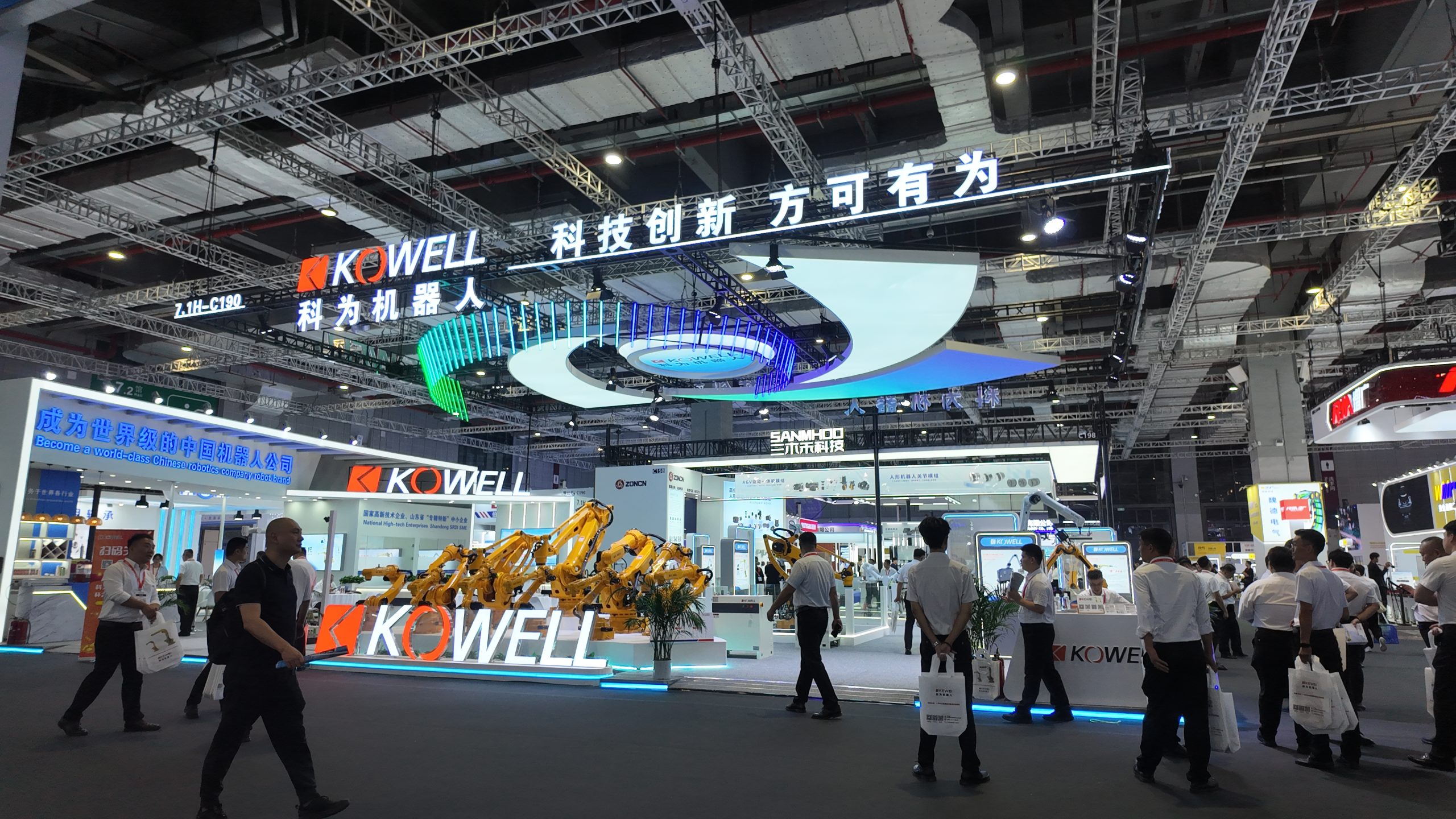
Over five days, Kowell Robot presented a broad range of industrial robotics and automation solutions while engaging with visitors and industry professionals on technology, applications, and the future of intelligent manufacturing.
From the opening-day equipment demonstrations to deeper technical discussions, from the exploration of embodied industry to conversations around production-line integration, the five-day exhibition revealed a clear direction:
The value of an industrial robot is not simply in completing a task, but in entering real production, solving practical problems, and creating sustainable manufacturing value.
1. Five Days in Review: From Equipment Demonstration to Value Validation
Day One · Opening: Seeing Industrial Robots in Action
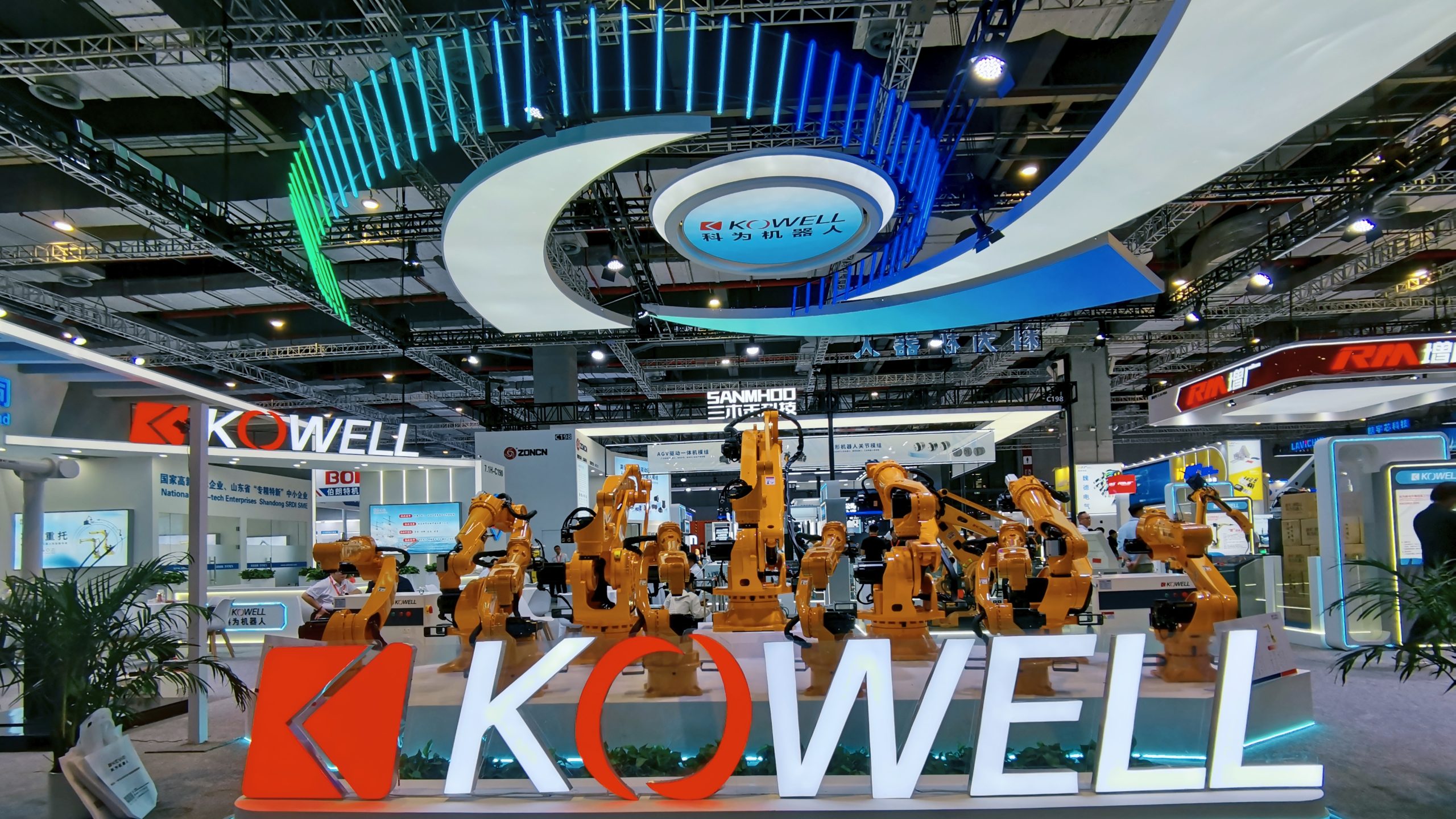
On the first day, Kowell Robot presented a diverse portfolio of equipment and applications.
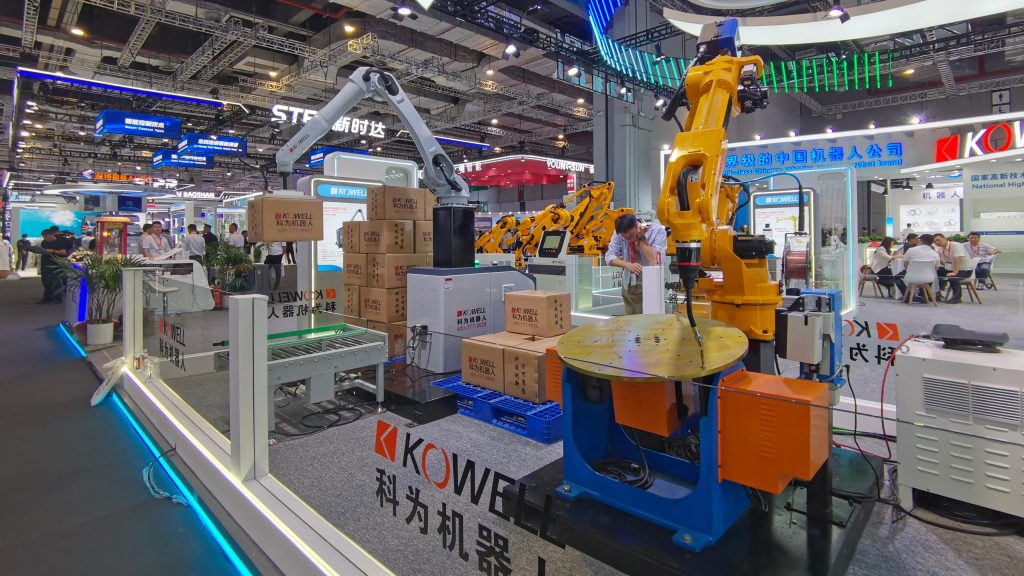
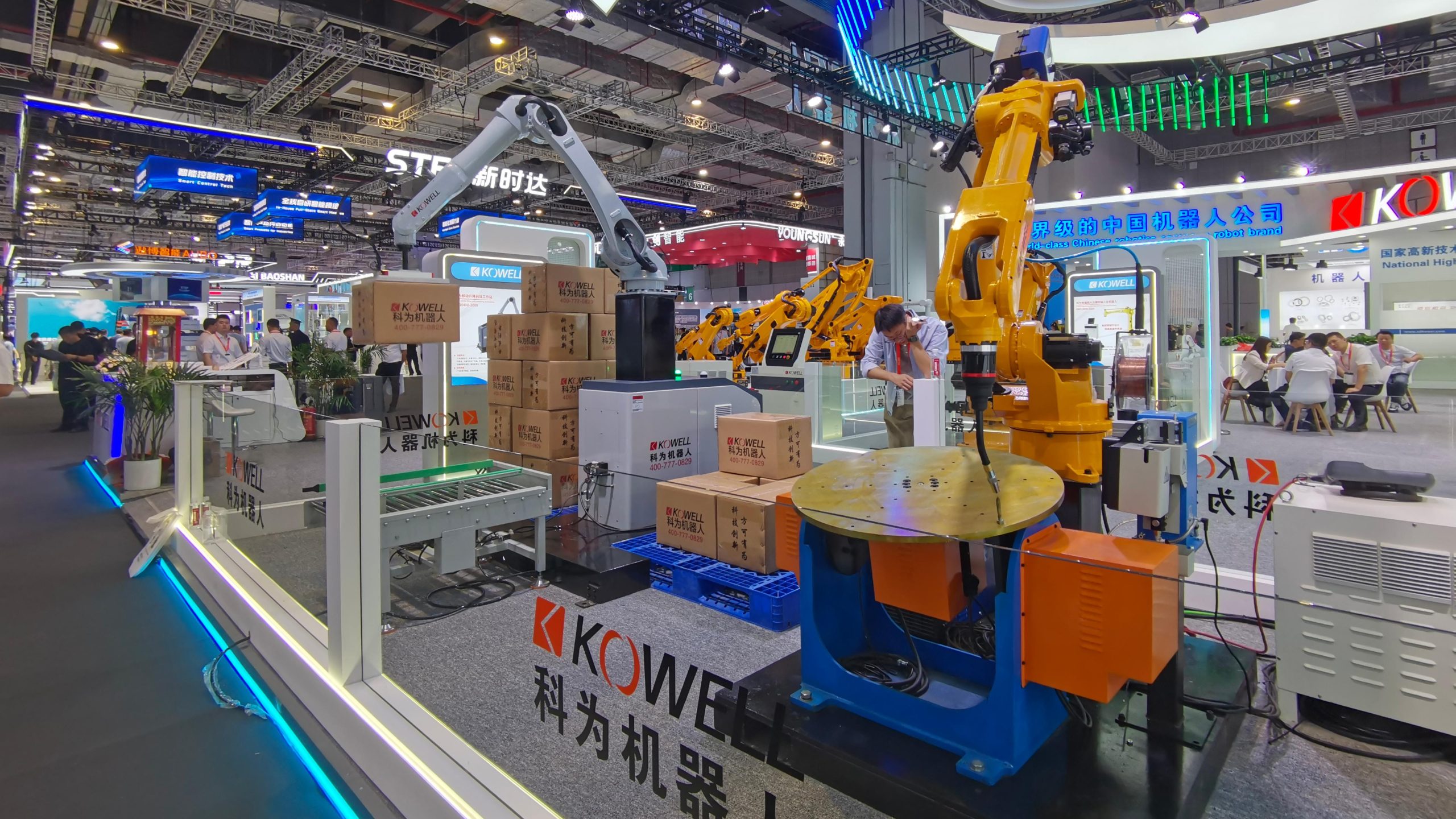
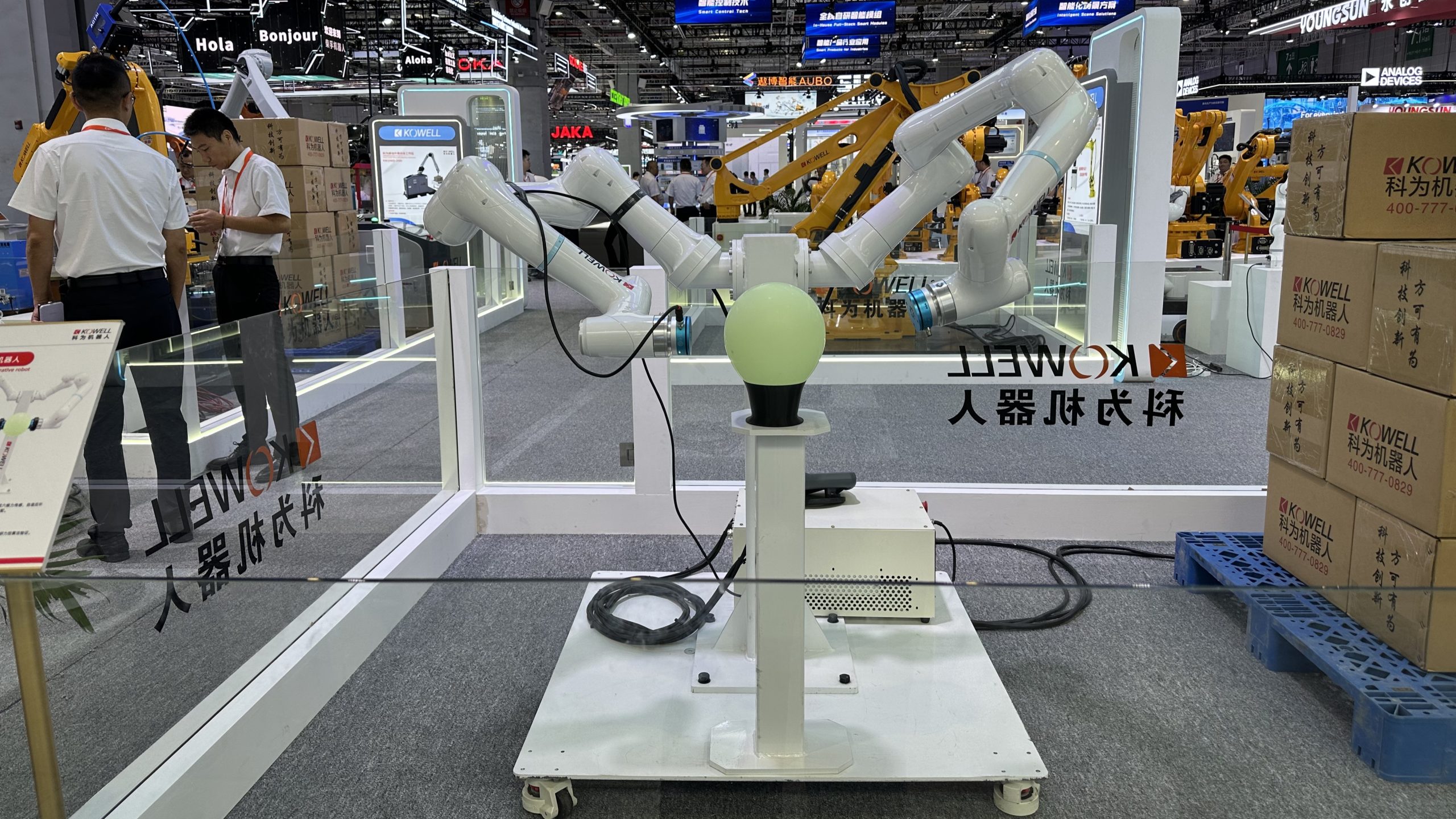
From heavy-duty industrial robots to intelligent welding, flexible palletizing, and collaborative robotic solutions, different products and scenarios were brought together on the exhibition floor.
Dynamic demonstrations of solutions such as the KW1180M-3200 also gave visitors an opportunity to see industrial robots not simply as products on a specification sheet, but as equipment designed for real manufacturing applications.
Day Two · Technical Deep Dive: From Watching to Understanding
As discussions became more technical, conversations moved beyond basic specifications and equipment demonstrations toward motion control, robot structure, welding processes, and application adaptation.
Visitors arrived with specific workpieces, production requirements, and automation challenges. The discussion increasingly shifted from “What can the robot do?” to “How can the robot perform this application more effectively?”
Day Three · Building Consensus: Rethinking Embodied Industry
On the third day, the discussion expanded to the concept of embodied industry.
From Kowell’s perspective, embodied intelligence is not defined by one particular robot form. What matters more is whether an intelligent system can operate in the physical production environment and solve real manufacturing problems through perception, decision-making, and execution.
From this perspective, the development of intelligent industrial robots ultimately needs to return to the production floor—to processes, equipment, and actual manufacturing needs.
Day Four · Moving to the System Level: From Individual Robots to Production-Line Coordination
On the fourth day, discussions moved from individual robots to the production line as a whole.
How robots can match production takt, coordinate with upstream and downstream equipment, adapt to different processes and material flows, and contribute to production-line layout all became important topics of discussion.
The value of robotics was therefore considered not only in terms of individual execution, but also in terms of coordination within the wider production system.
Final Day · Echoes: Conversations Continue, Cooperation Begins
By the close of the exhibition, Kowell Robot had welcomed more than 10,000 professional visitors and conducted more than 200 in-depth technical discussions. Several potential cooperation projects also moved into further stages of development.
The five-day event connected Kowell with manufacturing needs from a wide range of industries and created new opportunities for continued technical and project discussions.
2. Five Days of Progress: From Product Capability to Technical Depth
Looking back at CIIF 2026, Kowell Robot presented more than a product portfolio. It demonstrated a technical capability built around real manufacturing requirements.
First, robot platform capability.
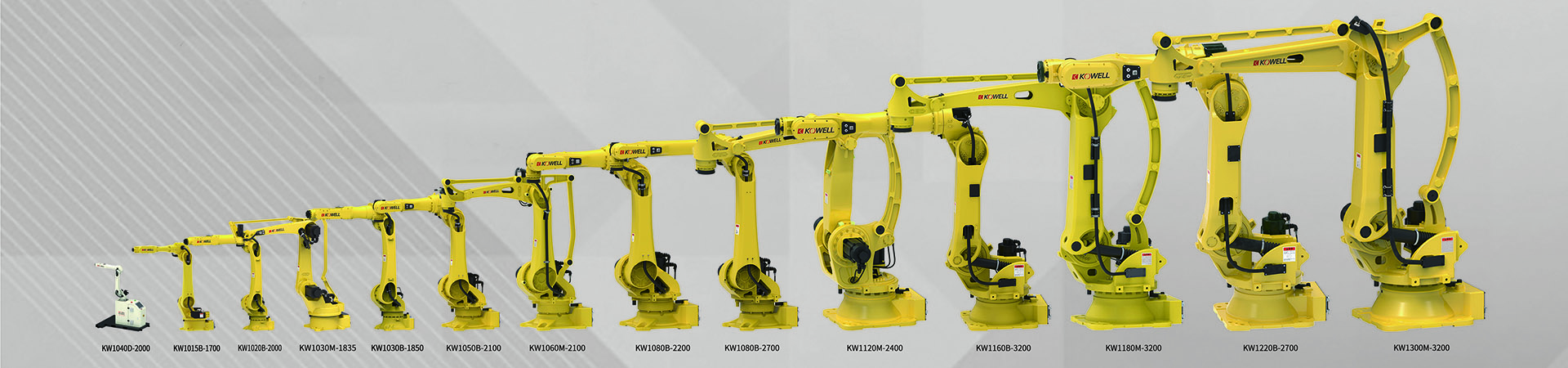
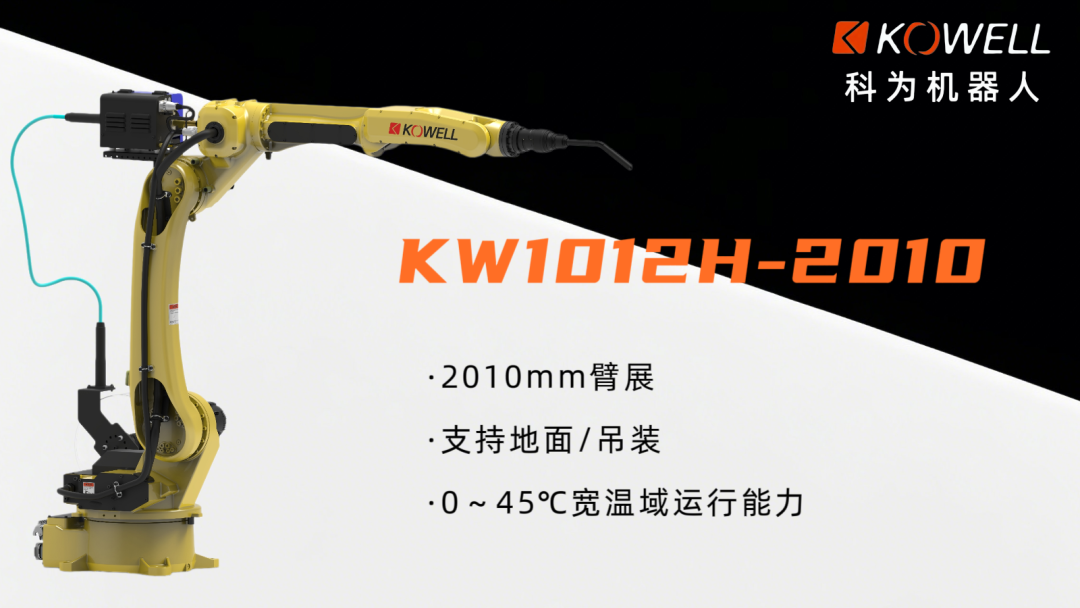
With industrial robots covering payloads from 5 to 300 kg, Kowell continues to develop solutions for different industrial scenarios, including heavy-duty applications, extended-reach operations, and collaborative robotics.
Second, application and process capability.
Once a robot enters a production environment, it needs to work with the specific manufacturing process.
In applications such as welding, palletizing, and material handling, the robot, controller, process equipment, tooling, and production conditions all need to be considered together. Effective automation is not simply about having a capable robot, but about making that robot suitable for the application.
Third, system coordination capability.
The role of a robot manufacturer increasingly extends from the individual robot to automated workstations and coordinated production systems.
Understanding how the robot connects with surrounding equipment and production processes is becoming an increasingly important part of industrial automation.
3. From Product Cooperation to Ecosystem Collaboration
The development of the robotics industry cannot be achieved by a single company alone.
On the academic and research side, Kowell has established cooperation with Shandong University to explore stronger connections between fundamental research, technology development, and industrial applications.
Across the industrial ecosystem, robot manufacturers, system integrators, automation companies, and end users all need to work together around specific projects and manufacturing challenges.
For Kowell, a robot is not only a piece of equipment that can be delivered. It can also serve as a technology node connecting different parts of a manufacturing process.
From equipment delivery to application deployment. From individual projects to long-term collaboration.
This is one of the directions in which the industrial robotics ecosystem continues to evolve.
4. The Exhibition Ends, but Cooperation Continues
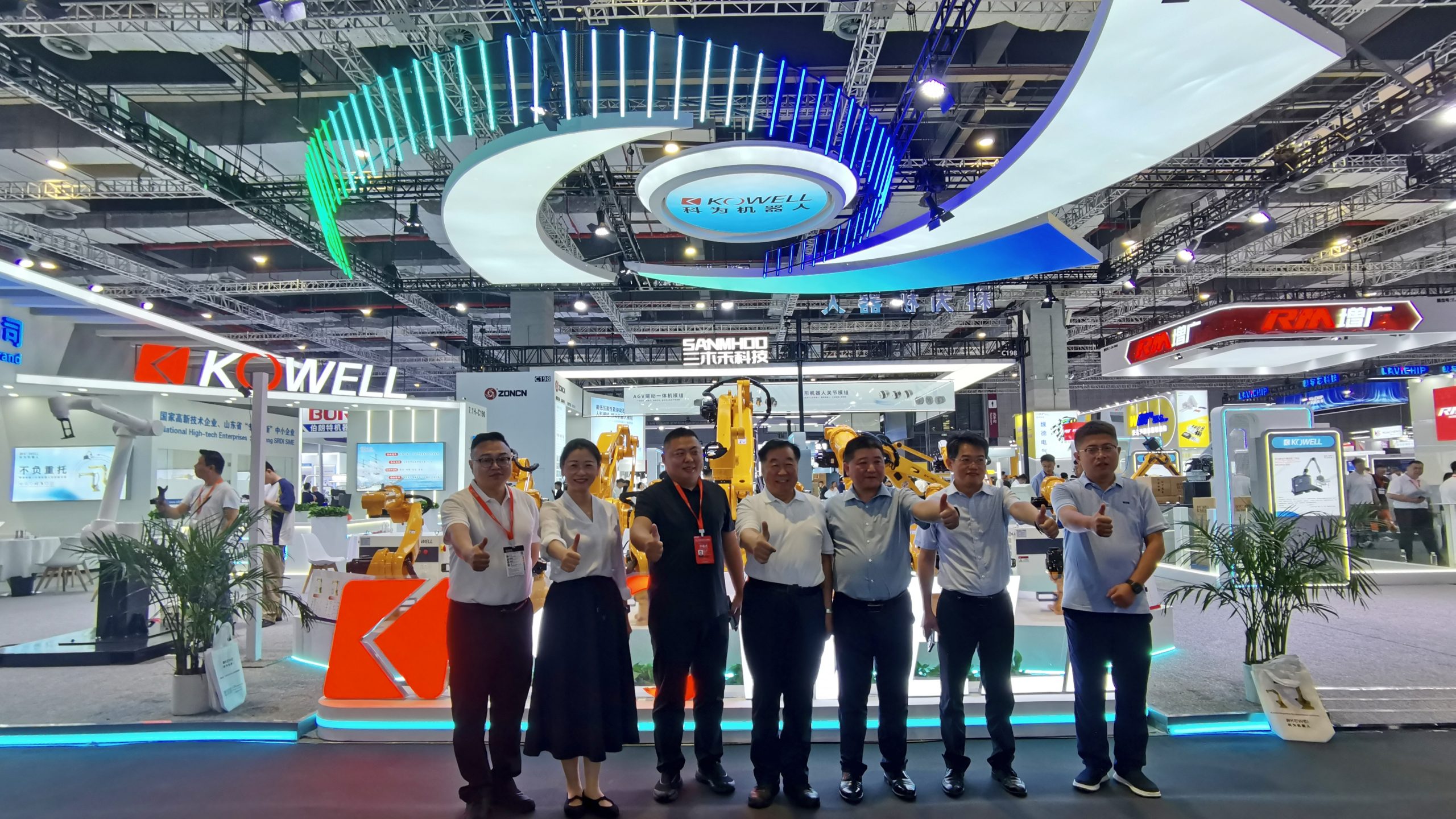
Kowell Robot sincerely thanks everyone who visited our booth during CIIF 2026.
Every conversation, technical question, and manufacturing challenge shared with us provided another opportunity to understand where the industry is heading and how robotics can create greater value in real production.
We also thank the entire Kowell team for turning the exhibition booth into more than a product showcase—a place for technical exchange, solution discussions, and the beginning of new partnerships.
The exhibition has ended, but the conversations continue.
Connections established during CIIF will move forward into technical discussions, project evaluation, on-site assessment, solution validation, and practical implementation.
The closing of the exhibition is not the end. It is the beginning of the next stage.
With technology as the foundation, customer value as the focus, and real manufacturing scenarios as the guide, Kowell Robot looks forward to exploring the next possibilities of intelligent manufacturing together with partners around the world.
CIIF 2026 has come to an end. The next stage of cooperation is just beginning.
Online Consultation
Hello, the current customer service is offline. You can leave your contact information and the staff will respond to you as soon as possible!