
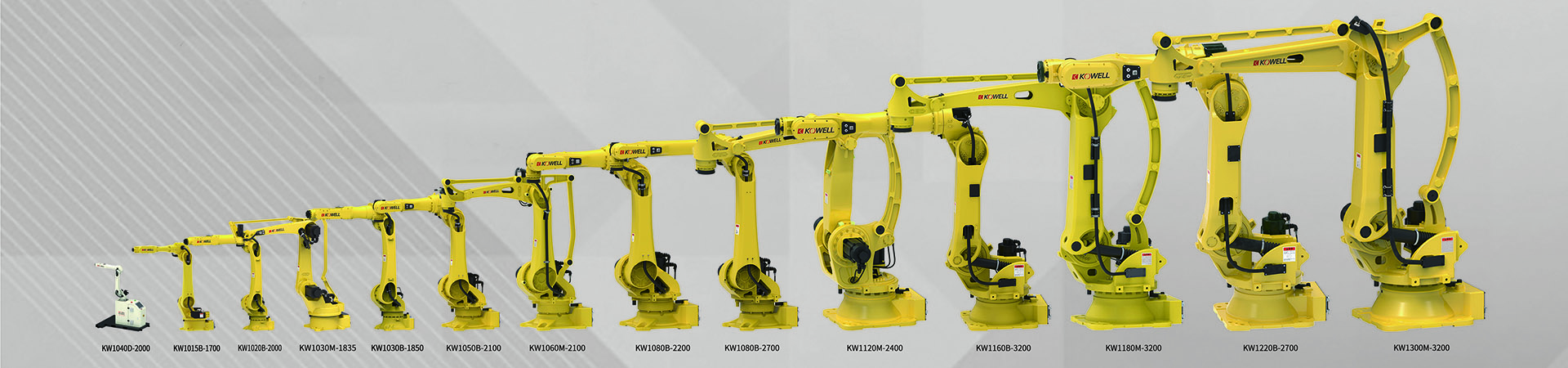
As manufacturing continues to move toward automation, the demand for stable and efficient welding processes is increasing. Traditional manual welding can face challenges in consistency and cost control, making the welding robot an important solution for improving production quality and efficiency.
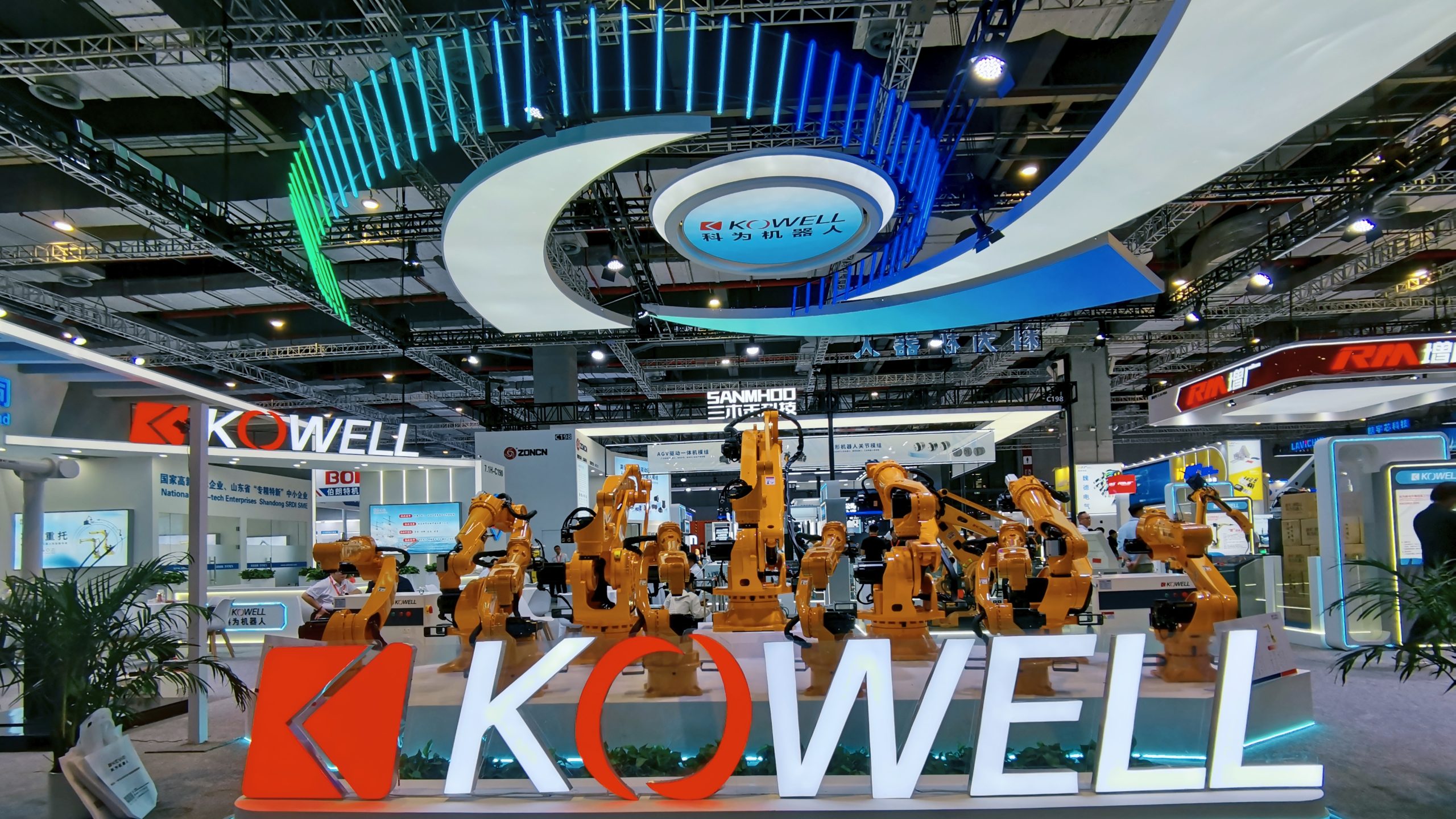
Kewei Robotics develops a range of robotic solutions designed for industrial welding applications, helping manufacturers achieve more reliable and consistent welding performance.
Technical Foundation: Improving Accuracy and Stability
Welding quality depends on precise motion control and structural stability. Kewei focuses on optimizing key technologies to enhance the performance of each welding robot.
High-Precision Control System
Equipped with servo-driven systems, the welding robot maintains consistent trajectory control during repeated operations, supporting linear, circular, and complex welding paths.
Stable Structural Design
The robotic structure is designed to reduce vibration and maintain stability during continuous operation, helping improve welding consistency.
Adaptation to Industrial Environments
The welding robot can operate in environments with dust, humidity, and other industrial factors, supporting long-term and continuous production.
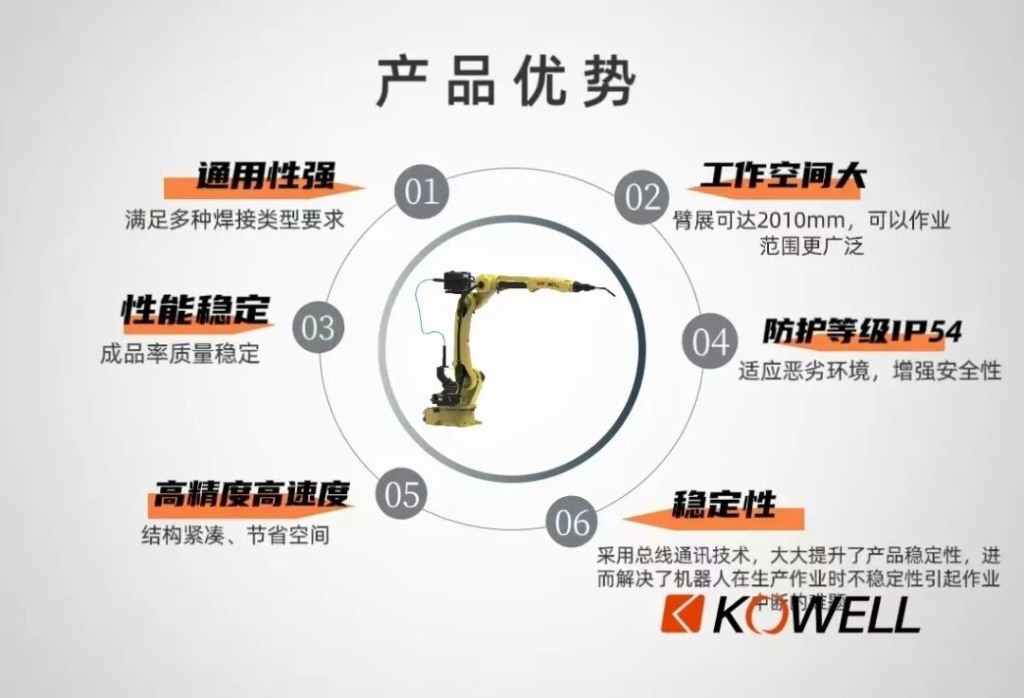
Product Features: Flexible for Multiple Welding Scenarios
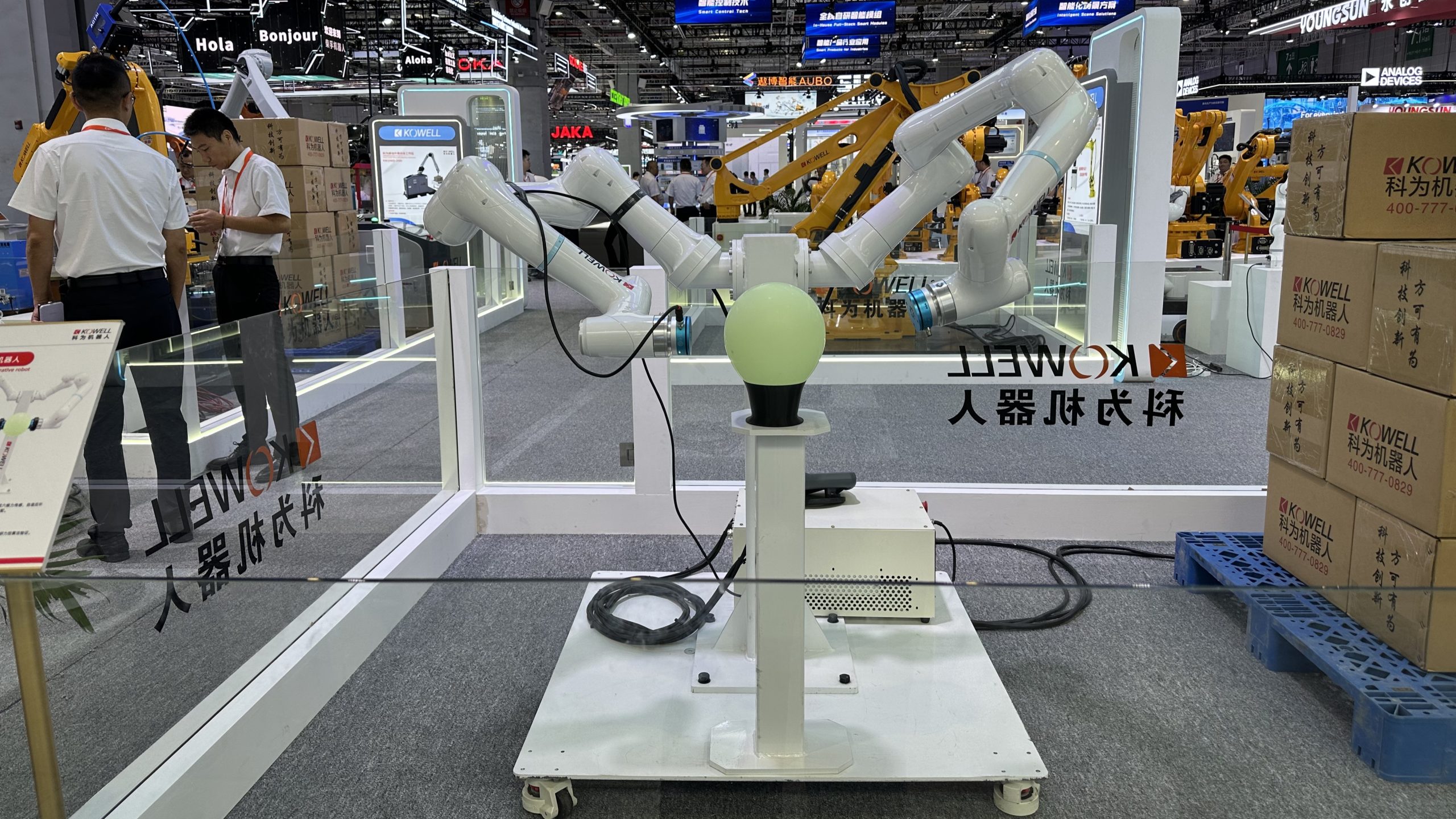
Kewei robotic arms are designed to adapt to different industrial applications and working conditions.
Flexible Installation Options
The welding robot supports floor-mounted and overhead installation, allowing integration into various production layouts without major modifications.
Compatibility with Multiple Welding Processes
The system supports different welding methods such as MIG welding, TIG welding, and laser welding, enabling the welding robot to handle various materials and structures.
Working Range and Protection
With an extended working range and protective design, the welding robot can operate within a defined temperature range and meet the needs of different production environments.
Application Value: Enhancing Efficiency and Consistency
In practical applications, the welding robot is commonly used to replace repetitive welding tasks.
By implementing automation, manufacturers can:
- Improve welding efficiency
- Maintain consistent weld quality
- Reduce variability caused by manual operation
- Optimize production workflow
The welding robot also supports flexible production, making it suitable for different batch sizes and product types.
Service and Support
Kewei provides full lifecycle support for welding automation projects.
- Pre-sales: welding process analysis and solution design
- Implementation: installation, commissioning, and operator training
- After-sales: technical support and maintenance services
This ensures that each welding robot operates reliably in long-term production environments.
Conclusion
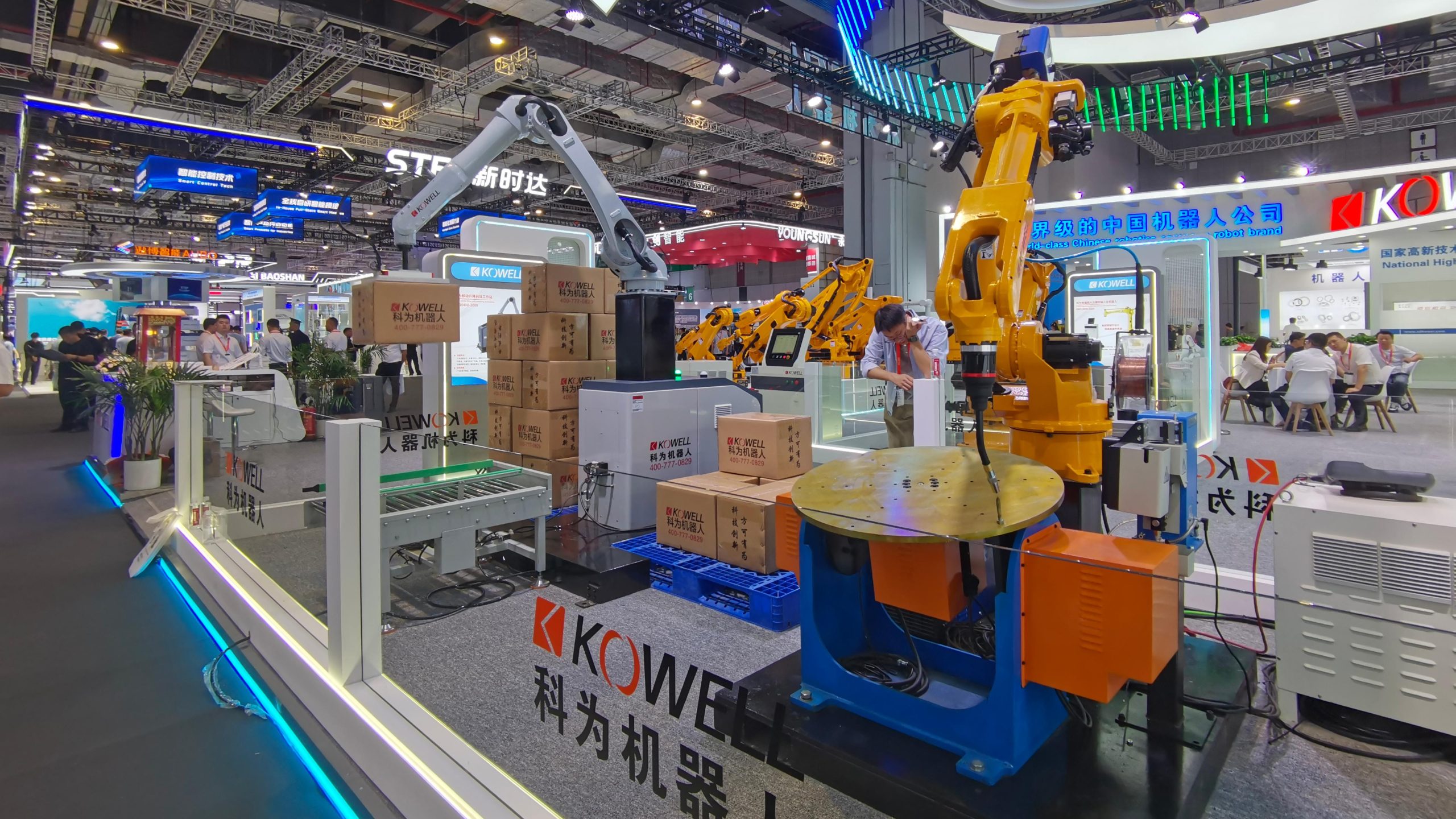
As automation continues to develop, the welding robot is becoming an essential part of modern manufacturing. Kewei Robotics focuses on practical applications and continuous improvement, supporting manufacturers in achieving more efficient and stable welding operations.
Online Consultation
Hello, the current customer service is offline. You can leave your contact information and the staff will respond to you as soon as possible!